The History of Polo: From Ancient Persia to Modern Sport
Trace polo's fascinating journey from its origins in Central Asia to its global presence today.
# The History of Polo
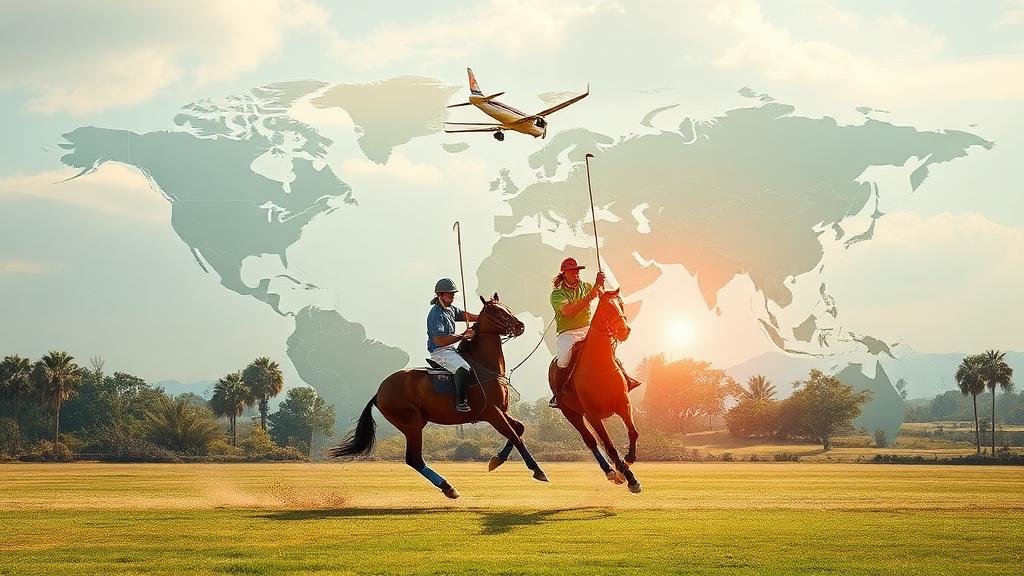
Polo claims the title of the oldest team sport in history, with origins stretching back over 2,500 years. From military training exercise to global sporting phenomenon, the journey of polo reflects human civilisation's development across continents and centuries. Explore the legacy through our famous polo players guide and the polo glossary.
## Ancient Origins: Persia and Central Asia
The earliest evidence of polo dates to the 6th century BC in ancient Persia (modern-day Iran). Originally called "chaugan," the sport served as training for cavalry units—the elite military force of the Persian Empire.
Persian kings and nobles played regularly, and the sport held significant cultural importance. The poet Ferdowsi's epic "Shahnameh" describes polo matches among royalty, cementing its place in Persian literature and identity.
**Key Facts**:
- Games often featured hundreds of players per side
- Royal courts maintained dedicated polo grounds
- Both men and women played in ancient Persia
- The sport symbolised martial prowess and social status
## Spread Along the Silk Road
As trade routes expanded, polo travelled east and west. By the 1st century AD, the sport had reached China, where it became popular among the Tang Dynasty (618-907 AD). Chinese modifications included:
- Formal teams with set numbers of players
- Standardised field dimensions
- Night polo with illuminated balls
- Women's polo leagues at court
Simultaneously, polo spread to Constantinople and became fashionable among Byzantine nobility. The sport also flourished in Japan, Korea, and Tibet, each region adding cultural interpretations.
## India: The Bridge to Modernity
Polo's modern form emerged in India, where Mughal emperors played elaborate matches from the 16th century onwards. The sport became known as "pulu" (from the Tibetan word for ball), which English colonists eventually anglicised to "polo."
In Manipur, northeastern India, local forms of polo maintained unbroken traditions for centuries. It was here, in the 1850s, that British tea planters and military officers discovered the sport and became captivated.
## The British Empire and Global Expansion
British adoption transformed polo from regional pastime to international sport:
**1859**: First European polo club founded in Silchar, India, by the Cachar Club.
**1862**: First polo match in England played at Hounslow Heath by cavalry officers returned from India.
**1869**: First inter-regimental match in England.
**1875**: First formal polo rules codified by the Hurlingham Polo Association (HPA), establishing the foundation for modern regulations.
**1876**: Introduction of polo to Argentina, which would eventually become the sport's most dominant nation.
**1876**: First polo match in the United States, on Long Island, New York.
## The Golden Age: Early 20th Century
The period between 1900-1939 represented polo's golden age:
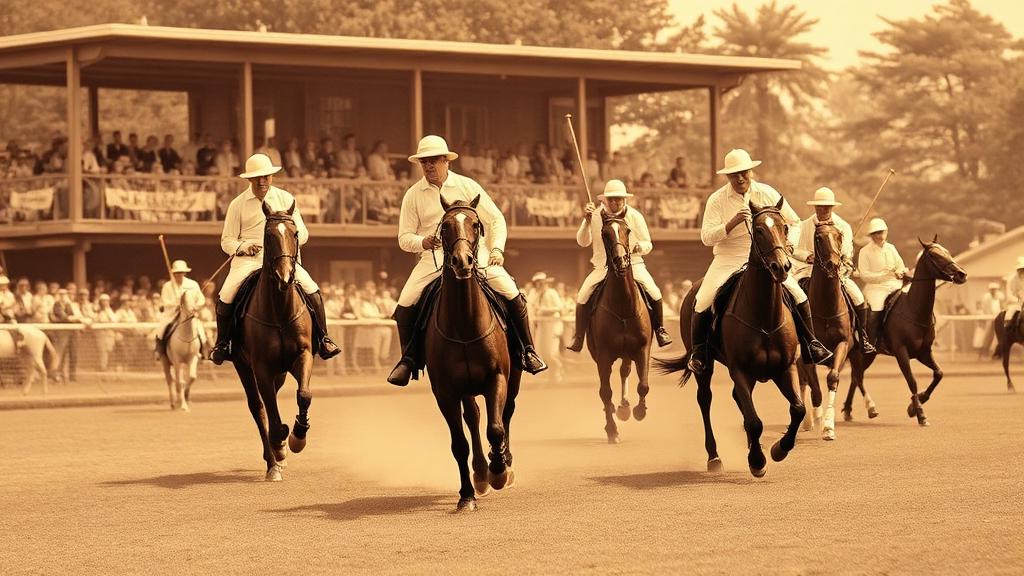
**Olympic Polo**: The sport featured in the Olympic Games in 1900, 1908, 1920, 1924, and 1936. Great Britain, Argentina, and the United States dominated the medals.
**International Competition**: The Westchester Cup between the USA and Britain became the premier international rivalry, drawing enormous crowds and media attention.
**Celebrity Status**: Polo players achieved celebrity status, with figures like Tommy Hitchcock Jr. becoming household names in America.
**High Society**: Polo became synonymous with wealth and aristocracy, hosted at grand estates and social clubs.
## Argentina's Rise
Argentina's emergence as polo's epicentre began in the late 19th century but accelerated dramatically in the 20th:
**Perfect Conditions**: The pampas provided ideal horse-breeding territory, producing the world's finest polo ponies.
**Cultural Integration**: Polo became part of Argentine identity, not just an elite pastime but a respected profession.
**Dominant Players**: Argentine players began dominating international competition by the mid-20th century.
Today, Argentina produces approximately 80% of the world's high-goal professional players. The Argentine Open, held annually in Buenos Aires, is considered polo's most prestigious tournament.
## Modern Global Polo
Contemporary polo exists on every inhabited continent:
**Major Centres**: Argentina, United Kingdom, United States, Dubai, and Australia lead global polo.
**Growing Markets**: China, India, and Southeast Asian nations are developing polo infrastructure rapidly.
**Professional Circuit**: International high-goal tournaments offer significant prize money and attract global stars.
**Access Programs**: Initiatives worldwide work to make polo accessible beyond traditional elite circles.
## Key Milestones
- **1900**: Polo debuts at Paris Olympics
- **1928**: First Argentine Open
- **1950s**: Argentina establishes dominance
- **1987**: FIP (Federation of International Polo) formed
- **2000s**: Middle Eastern investment transforms facilities
- **2010s**: Women's polo gains increased recognition
- **2020s**: Sustainability and accessibility become priorities
From Persian cavalry exercise to global sport, polo has maintained its essential character across millennia: speed, skill, teamwork, and the extraordinary partnership between horse and rider. Understanding this rich history deepens appreciation for every chukka played today. If you're inspired to take part, see learn polo or find polo clubs near you.