Cómo elegir tu primer mazo de polo
Una guía de compra completa que cubre la longitud, el peso, la forma de la cabeza, la flexibilidad del bastón y el agarre del mazo: todo lo que un principiante necesita para elegir el palo adecuado.
Cómo elegir tu primer polo [Mallet](/glossary/mallet)
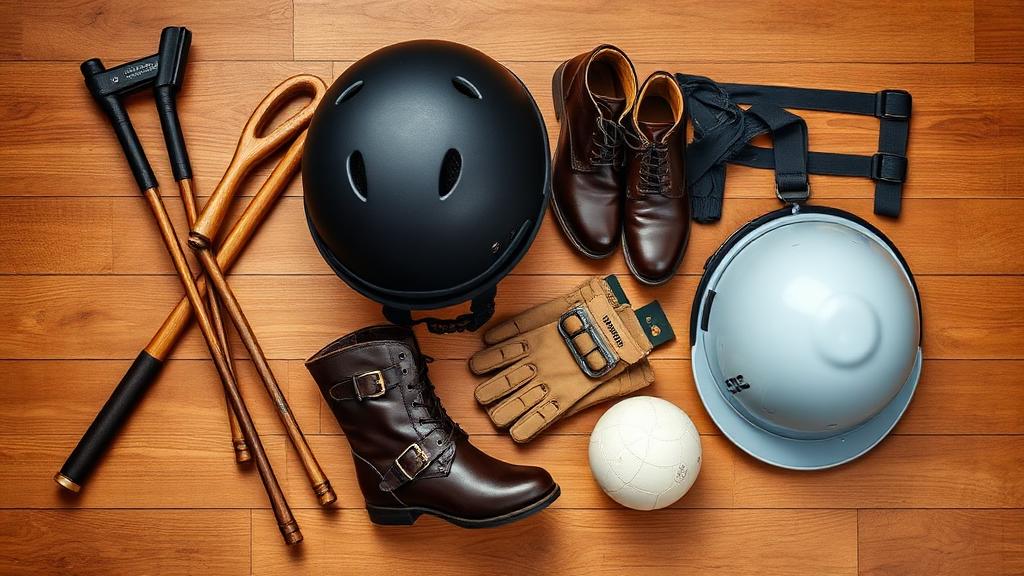
Elegir tu primer mazo de polo puede resultar abrumador. Con docenas de longitudes, pesos, formas de cabeza y tipos de bastones disponibles, ¿cómo saber cuál es el correcto? Esta guía desglosa todos los factores para que pueda ingresar a una tienda profesional (o realizar pedidos en línea) con confianza. Para obtener una visión más amplia de todo lo que necesita, consulte el polo equipment guide completo.
Por qué es importante tu mazo
El mazo es el único equipo que te conecta directamente con la pelota. Un mazo demasiado largo se arrastrará por el suelo; uno que es demasiado corto te obliga a inclinarte peligrosamente. El peso incorrecto cansa tu brazo; la flexibilidad incorrecta mata la precisión. Hacer esto bien acelera tu aprendizaje y protege tu cuerpo.
Longitud del mazo
La longitud está determinada por la altura del caballo que montas, no por tu propia altura. El rango estándar es de 50 a 53 pulgadas para polo sobre césped y de 48 a 50 pulgadas para arena polo.
**Cómo medir**: Siéntese sobre su caballo en una posición normal de juego. Pídale a alguien que sostenga el mazo verticalmente, con la cabeza apoyada en el suelo, al lado del caballo. La parte superior del mango debe llegar a su mano cuando su brazo cuelgue naturalmente. La mayoría de los principiantes comienzan con un mazo para césped de 51 o 52 pulgadas.
Material de caña (eje)
**Recomendación para principiantes**: Comience con caña de manau. Es asequible, está ampliamente disponible y brinda excelentes comentarios a medida que aprende su swing.
Cabeza de mazo
Las cabezas se tallan tradicionalmente en madera de tipa (madera dura argentina) o raíz de bambú. Variables clave:
Agarre y cabestrillo
La empuñadura es una envoltura de cuero o goma en la parte superior del mango. Una empuñadura de goma acolchada reduce la vibración y mejora la comodidad, muy recomendable para jugadores nuevos. El cabestrillo (muñequera) es un dispositivo de seguridad: mantiene el mazo sujeto a su mano si se le resbala el agarre. Utilice siempre uno.
¿Cuántos mazos necesitas?
Para su primera temporada, dos mazos son suficientes: uno principal y otro de repuesto. A medida que avance, es posible que desee:
Consejos de mantenimiento
Dónde comprar
Guía de presupuesto
| Nivel | Rango de precios (USD) | Notas |
|-------|-------------------|-------|
| Principiante | $40–$80 | Bastón de Manau, cabeza de cigarro |
| Intermedio | $80–$140 | Mejor bastón, elección de cabezal |
| Avanzado | $140–$250+ | Eje compuesto, especificaciones personalizadas |
Tu primer mazo no tiene por qué ser caro. Concéntrate en la longitud correcta y en un agarre cómodo, luego mejora a medida que se desarrolla tu juego. Una vez que te estés preparando, consulta polo for beginners para obtener consejos adicionales sobre tu primera temporada.