Zero to 4-Goal: A Beginner's First Year in Polo
One British amateur documents her first year in polo — from first lesson to first chukka, equipment costs, pony acquisition, and what it actually takes to achieve a positive handicap. A story for anyone curious about starting the sport.
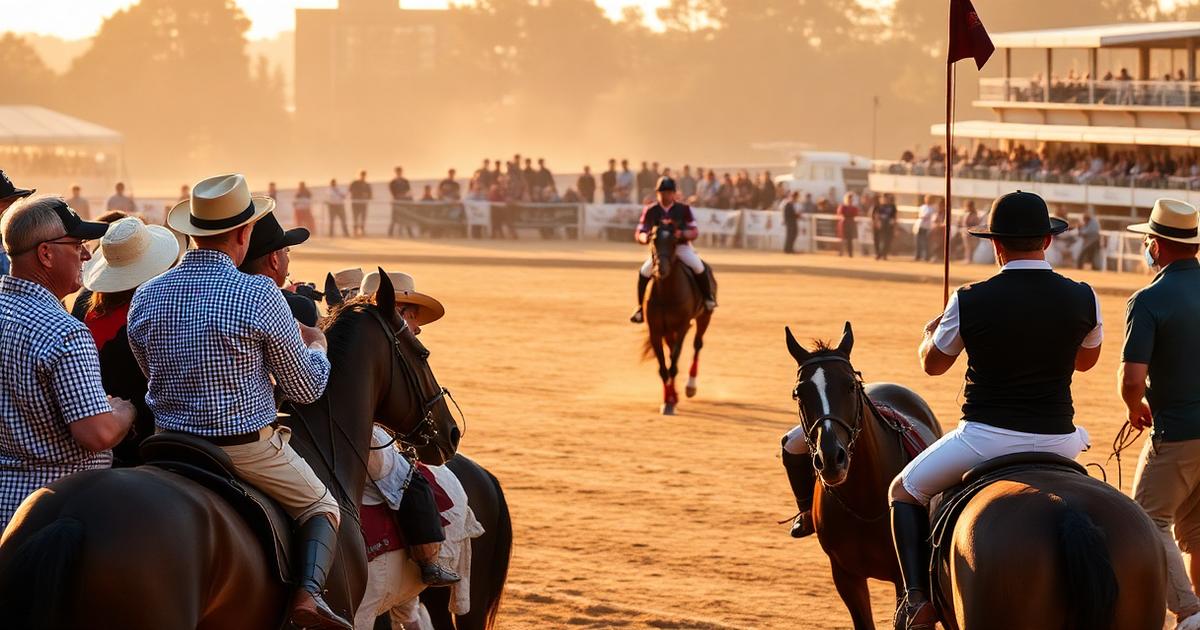
I had never sat on a horse when I walked into my first polo lesson. Twelve months later, I had a -2 handicap, three polo ponies, and a credit card bill that still makes me slightly breathless. This is the story of my first year in polo.
The beginning was humbling. I booked a lesson at my local polo club after watching a charity polo day and becoming, as happens to many people, completely transfixed by what I saw. The lesson cost £95 and consisted of forty-five minutes on a school pony — a beautifully patient animal who had clearly absorbed the nervous energy of several hundred beginners before me — learning to hold the mallet, swing without hitting the horse, and steer simultaneously. I managed to hit the ball approximately four times.
The initial costs were modest by polo standards. A beginner's mallet set (£120-180), a second-hand helmet (essential: must meet PAS015 or EN1384 certification — about £150 used), and knee guards (£40) were the starting kit. I was sharing school ponies at the club, which at £60-80 per chukka began to add up but remained manageable.
By month three, I was playing club chukkas at -2 — the standard starting handicap — on a combination of my own and hired horses. The decision to buy my first pony came earlier than I planned, driven partly by the desire to have an animal I knew and partly by the economics: at £80 per chukka for hired horses, three chukkas per weekend quickly exceeds the monthly cost of owning a polo pony at livery.
My first pony cost £6,500 — a twelve-year-old Argentine-bred mare whose owner was retiring from polo. Livery, feed, farriery, veterinary care, and clipping added approximately £800-1,000 per month. By year's end I had acquired two more ponies, because polo's peculiar mathematics — you need multiple horses to play multiple chukkas — operates by its own relentless logic.
What nobody tells you before you start is how completely polo takes over your life. The early mornings, the weekend commitments, the conversations that become entirely about horses and mallets and handicap regulations. It is not a hobby. It is an identity. And twelve months in, watching a chukka I have just played from the boundary with a glass of Pimms in hand, I am entirely, irreversibly converted.