Guía completa de polo para principiantes: tus primeros pasos
Todo lo que necesitas saber antes de tu primera lección de polo, desde qué ponerte hasta terminología básica y expectativas realistas.
Tus primeros pasos en el polo
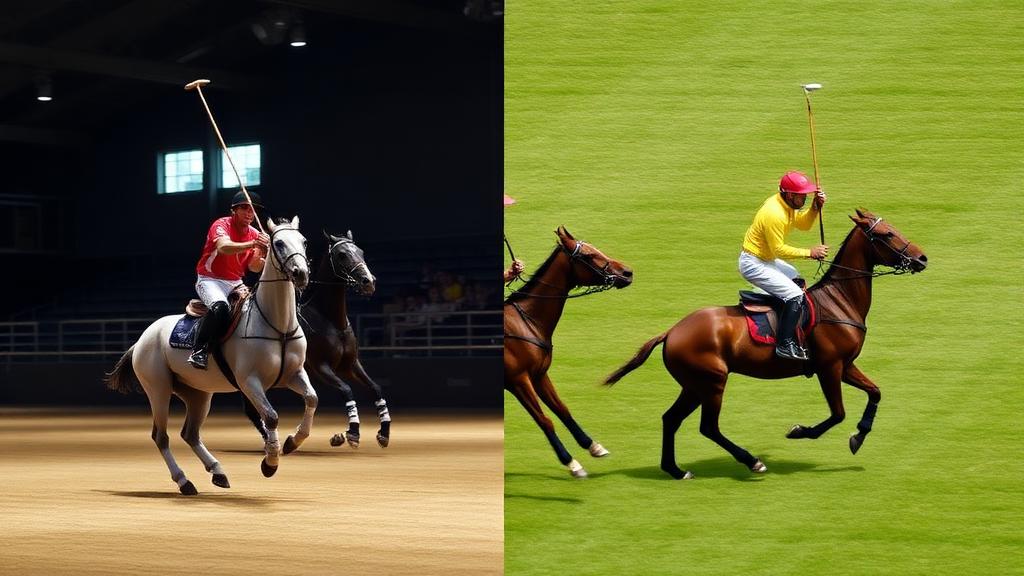
El polo puede parecer intimidante al principio, pero con la orientación adecuada cualquiera puede aprender los conceptos básicos y experimentar la emoción de este antiguo deporte. Ya sea que se haya sentido cautivado al ver un partido o simplemente tenga curiosidad por probar algo nuevo, esta guía completa lo preparará para su viaje al polo.
Qué esperar en tu primera lección
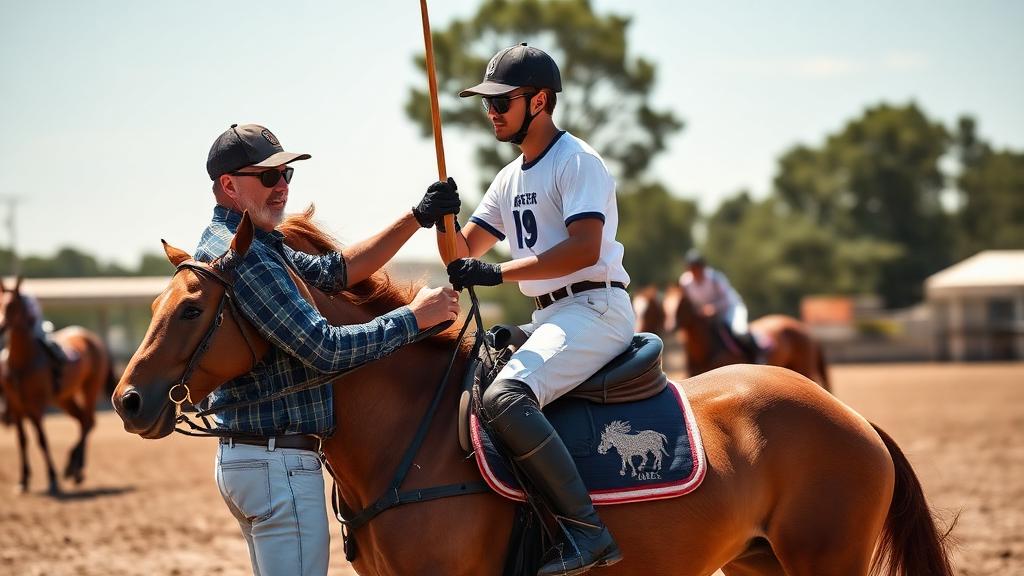
La mayoría de las escuelas de polo siguen un enfoque estructurado para enseñar a principiantes. Es probable que su primera lección comience en el suelo, no a caballo. Esto es lo que suele suceder:
**Entrenamiento con caballos de madera**: comenzarás con un caballo de madera estacionario (a veces llamado simulador de polo). Esto le permite concentrarse por completo en la mecánica de su swing sin preocuparse por controlar un caballo real. Espere pasar entre 30 y 60 minutos aquí aprendiendo:
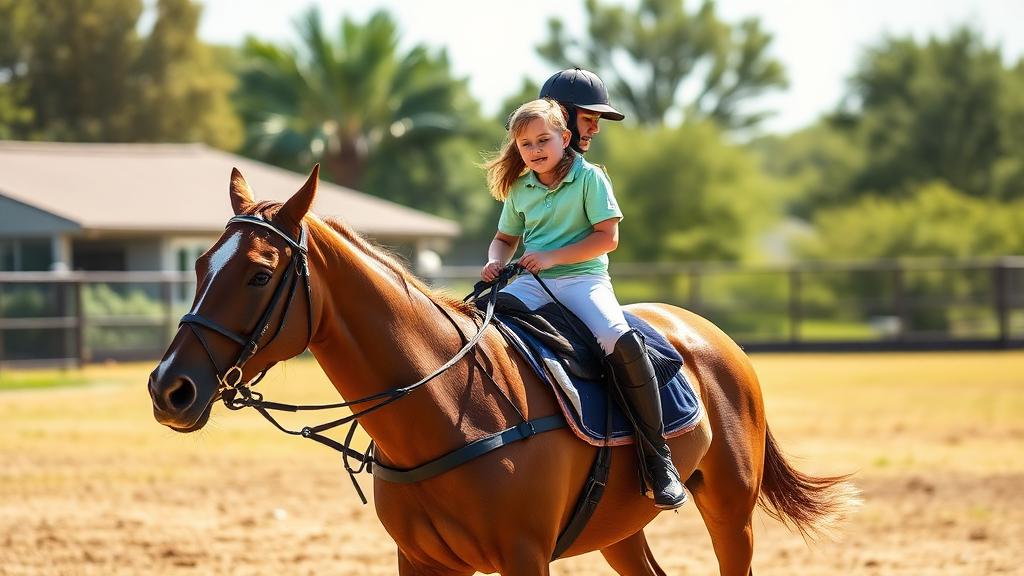
**Introducción montada**: Una vez que tu instructor esté satisfecho con tu trabajo de campo, progresarás a un polo tranquilo y experimentado pony. Estos caballos están entrenados específicamente para principiantes y serán pacientes y receptivos.
Qué ponerse
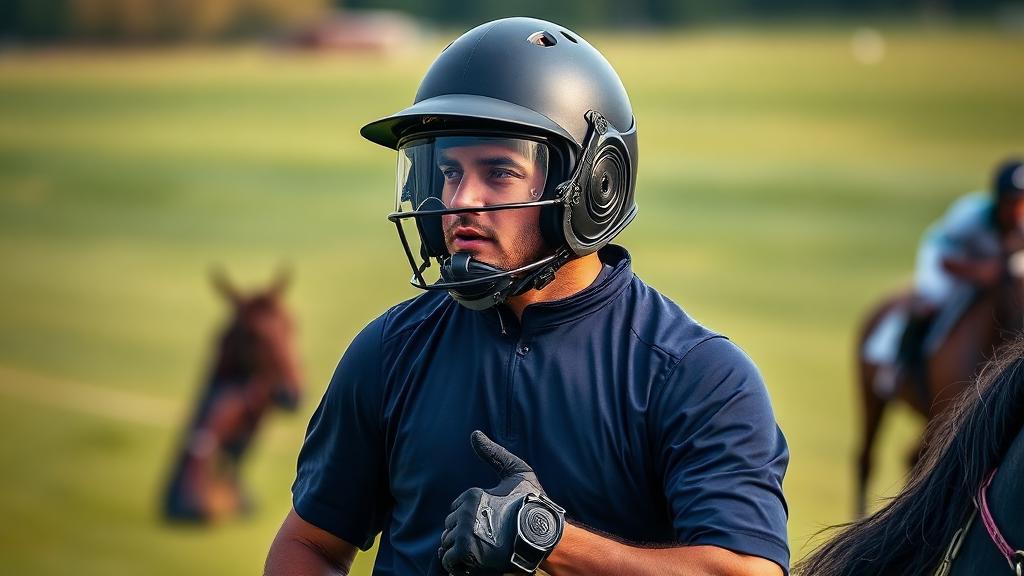
Vestirte apropiadamente hará que tu primera lección sea mucho más cómoda:
**Lo que ofrece el club**: La mayoría de polo schools ofrecen cascos, mazos y, a veces, rodilleras para principiantes. Confirma siempre lo que está incluido al reservar.
Preparación mental
Abordar tu primera lección con la mentalidad adecuada acelerará tu aprendizaje:
Terminología esencial
Comprender estos términos básicos le ayudará a seguir las instrucciones y a sentirse más seguro:
**Chukka**: Un período de juego que dura 7,5 minutos. Los partidos se disputan entre 4 y 6 chukkers.
**Nearside**: El lado izquierdo del caballo (donde normalmente golpeas la pelota).
**Offside**: El lado derecho del caballo.
**Line of the Ball**: El camino imaginario que recorre la bola, que determina el derecho de paso.
**Mazo**: Palo de bambú que se utiliza para golpear la pelota, también llamado palo de polo.
**Pony de polo**: a pesar del nombre, los caballos de polo son caballos de tamaño completo, normalmente de 15 a 16 manos.
Elegir el club adecuado
No todos los polo clubs atienden a los principiantes por igual. Busque:
Tu lista de verificación del primer día
Preguntas frecuentes
**¿Necesito experiencia en montar a caballo?** Si bien es útil, no es esencial. Muchas escuelas de polo aceptan principiantes y enseñan juntos habilidades de equitación y polo.
**¿Qué tan en forma debo estar?** Un nivel básico de condición física ayuda, pero el polo es accesible para personas con distintos niveles de condición física. Tu condición física mejorará a medida que juegues.
**¿Cuánto cuesta?** Las lecciones para principiantes suelen oscilar entre £ 50 y 150 por sesión, según la ubicación y la duración. Consulte nuestro polo costs guide para obtener un desglose completo.
**¿Es peligroso el polo?** Como cualquier deporte ecuestre, existen riesgos, pero la instrucción adecuada y el equipo de seguridad los minimizan significativamente.
¿Listo para encontrar un lugar para jugar? Utilice polo near me para localizar clubes en su área.
Bienvenido al deporte de los reyes: ¡tu aventura del polo comienza aquí!