From proper helmet fitting to field awareness, learn the essential safety practices that keep polo players protected during training and matches.
Polo Safety: Protecting Players on the Field
Polo is an exhilarating sport that combines horsemanship, athleticism, and strategy at high speeds. While this creates incredible excitement, it also demands serious attention to safety. Understanding and implementing proper safety precautions protects not only yourself but also your fellow players and the horses.
Essential Protective Equipment
The Polo Helmet
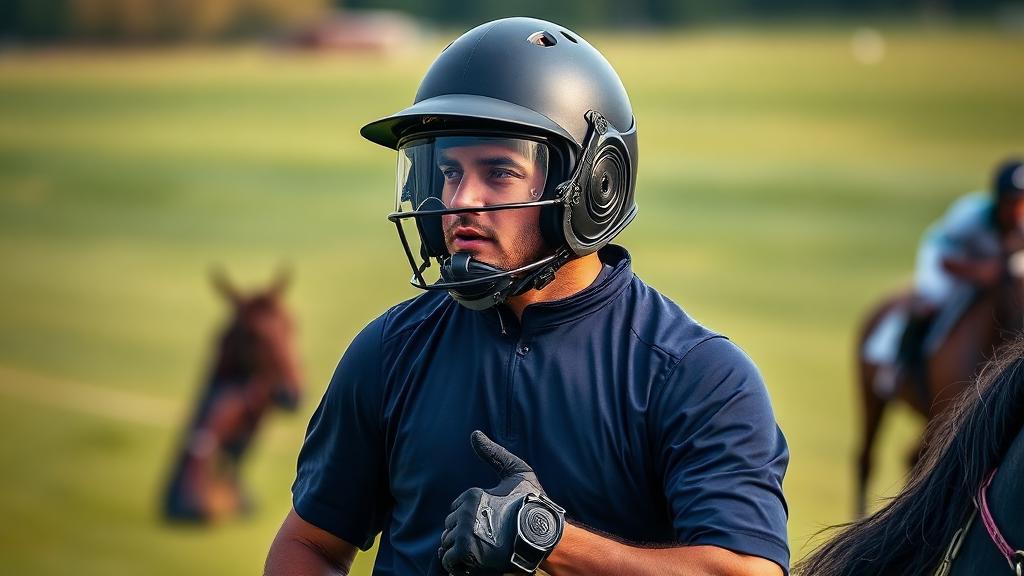
Your helmet is your most critical piece of safety equipment. In February 2026, all major polo federations require helmets to meet specific safety standards:
**Key Requirements**:
Must be NOCSAE-certified or meet equivalent international standardsFace guards are mandatory in many clubs, especially for beginnersMust fit snugly without restricting vision or hearingShould be replaced immediately after any significant impactReplace every 3-5 years even without visible damage**Fitting Tips**:
The helmet should sit level on your head, not tiltedThe chin strap should be snug but comfortableYou should be able to fit one finger between the strap and your chinThe helmet should not move independently of your head when you shake itKnee Guards
Knee guards protect against mallet strikes, horse collisions, and falls:
Choose guards that cover both front and sides of the kneeEnsure straps are secure but don't restrict circulationReplace when padding compresses or straps weakenConsider guards with additional thigh protection for competitive playPolo Boots
Proper footwear prevents foot injuries and ensures secure stirrup placement:
Boots should have a smooth sole to slide easily from stirrupsA 1-2 inch heel prevents the foot from sliding throughLeather construction offers protection from mallet strikesBoots should fit snugly to provide ankle supportGloves
Gloves protect your hands and improve grip:
Choose leather or synthetic gloves designed for poloEnsure good grip on both mallet and reinsReplace when worn to maintain controlField Safety Protocols
Understanding Right of Way
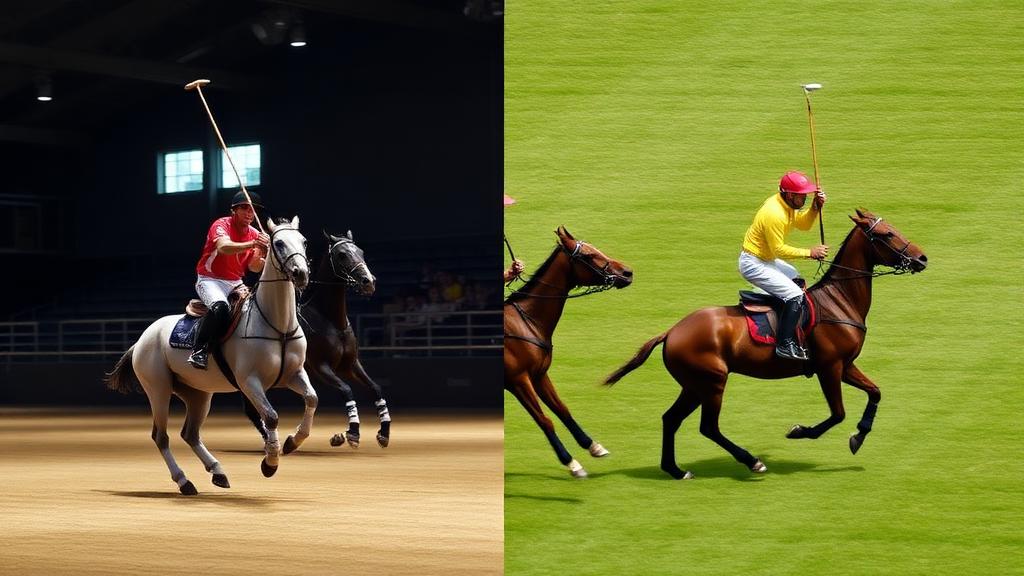
The line of the ball rule is fundamental to polo safety:
The player following the ball's line of travel has right of wayCrossing this line at dangerous angles causes most collisionsAlways look before crossing the line of the ballWhen in doubt, pull up and waitMallet Awareness
Improper mallet handling causes many polo injuries:
**Do**:
Keep your mallet under control at all timesCheck your backswing before hittingCarry your mallet correctly when not in usePractice swing control before playing at speed**Don't**:
Swing blindly without checking behind youUse excessive follow-through in crowded playSwing at dangerous heights around other playersPlay with a damaged or incorrectly sized mallet[Ride-Off](/glossary/ride-off) Safety
Ride-offs are legal but must be executed safely:
Approach at safe angles (within 45 degrees of parallel)Match speed before making contactNever push directly into another horse's pathAvoid contact when horses are off-balanceHorse Safety Considerations
Player safety and horse safety are interconnected:
Pre-Match Checks
Ensure tack is correctly fitted and in good conditionCheck girth tension before mounting and between chukkasVerify protective boots on the horse are secureEnsure the horse is sound and alertDuring Play
Never gallop a tired or distressed horseListen for any signs of discomfort or lamenessPull up immediately if equipment failsCool horses properly between chukkasEmergency Preparedness
Every polo facility should have:
First aid equipment readily accessibleEmergency contact numbers postedQualified first aiders on-site during playClear evacuation proceduresVeterinary contact for equine emergenciesTraining for Safety
The best safety measure is proper training:
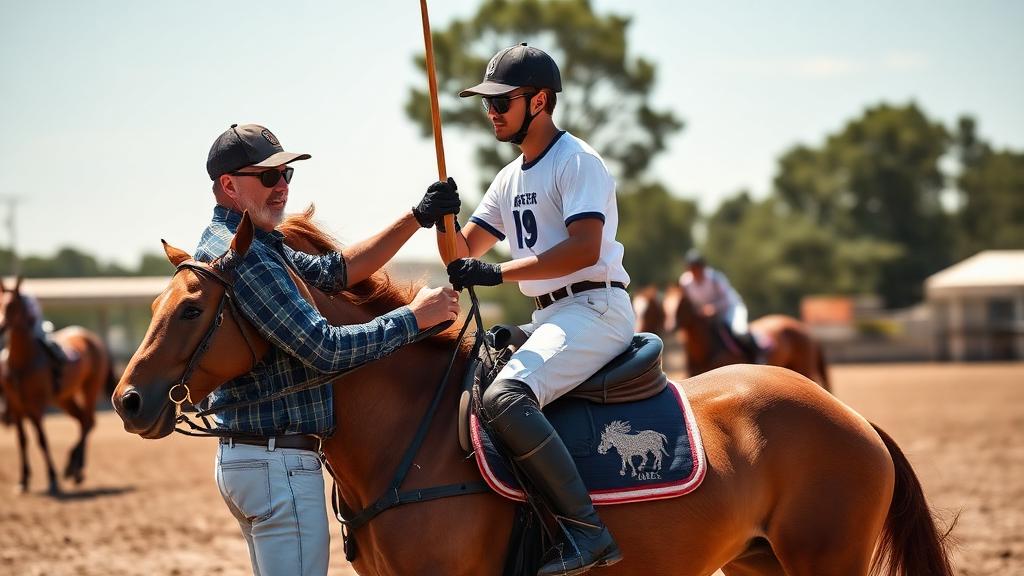
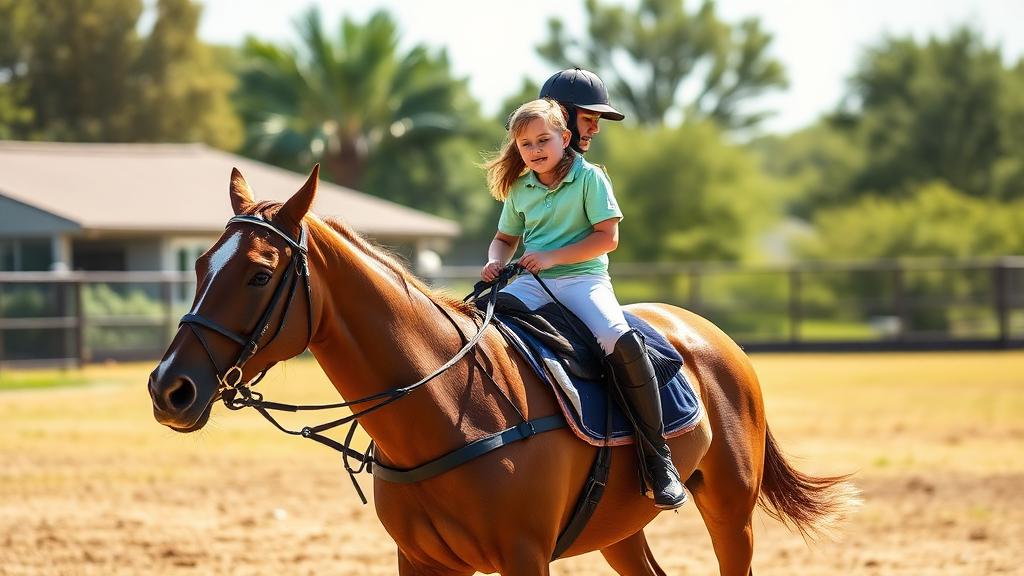
Take lessons from qualified instructorsProgress gradually to faster playPractice control and stopping before speedLearn to fall correctly if dismountedUnderstand your limits and play within themWeather Considerations
Environmental conditions affect safety:
Lightning: Stop play immediately and seek shelterWet conditions: Adjust speed and be aware of slippery groundExtreme heat: Monitor for heat exhaustion in players and horsesPoor visibility: Reduce speed or postpone playCreating a Safety Culture
Safety in polo is everyone's responsibility:
Speak up about dangerous playSupport newer players learning the rulesReport equipment failures or field hazardsEncourage proper warm-up and cool-down routinesNever play while impaired by alcohol or fatigueBy taking safety seriously, we protect our sport's most valuable assets—the players and horses who make polo the incredible game it is.