    0%
    Youth Polo: Getting Young Riders Started Safely
    Back to all articles
    Learn Polo

    Youth Polo: Getting Young Riders Started Safely

    A comprehensive guide for parents considering polo for their children, covering age requirements, safety measures, costs, and finding the right programme.

    Charlotte HughesThursday, 5 February 202611 min read

    Youth Polo: Introducing Children to the Sport of Kings

    Polo offers young people an extraordinary combination of horsemanship, athletics, teamwork, and strategic thinking. For families considering polo for their children, understanding the pathway from beginner to player is essential for a safe and rewarding experience.

    Is Polo Right for Your Child?

    Ideal Age to Start

    Children can begin their polo journey at different stages:

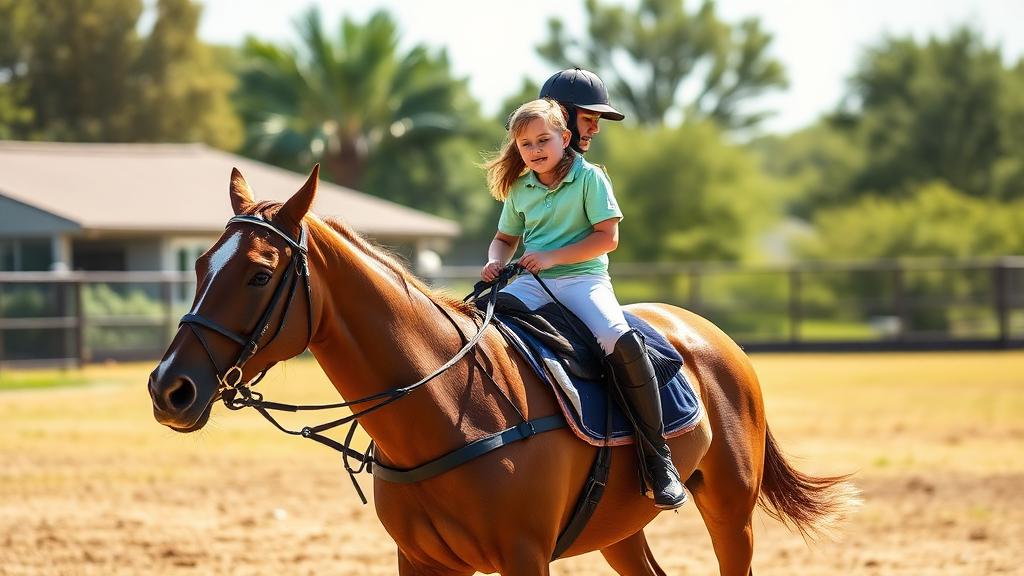
    **Ages 5-7**: Introduction to horsemanship and pony care, with gentle mounted exercises. No mallet work yet.

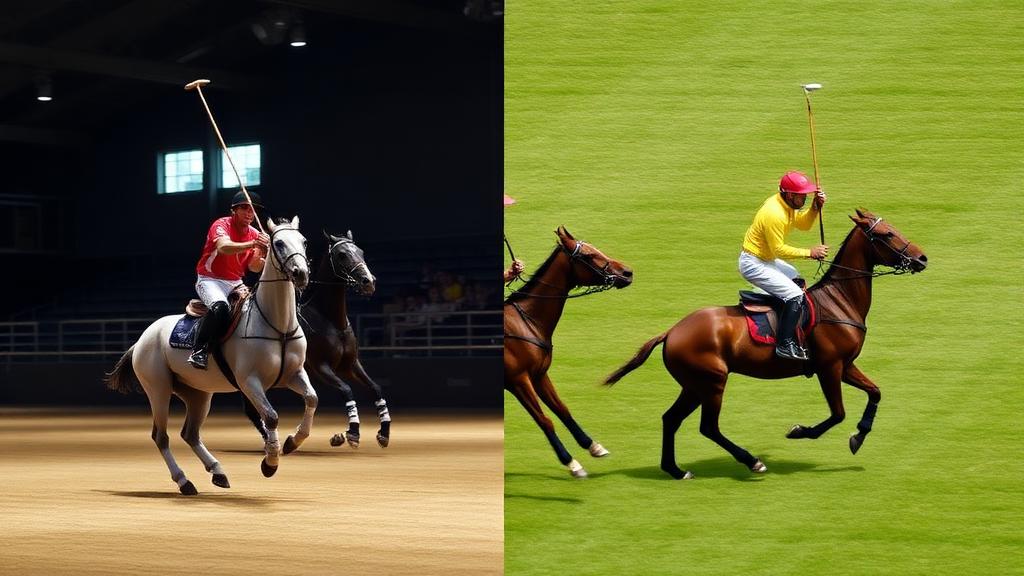
    **Ages 8-10**: Begin basic mallet handling on wooden horses and controlled mounted introduction. Arena polo is safer at this stage.

    **Ages 11-14**: Progress to slow chukkas and youth tournaments. Development of competitive skills.

    **Ages 15+**: Full participation in junior and open competitions, development towards adult polo.

    Prerequisites for Success

    Young players benefit from:

  1. Basic horse riding ability (though many programmes teach from scratch)
  2. Reasonable fitness and coordination
  3. Willingness to learn and accept instruction
  4. Patience during the learning process
  5. Interest in animals and outdoor activities
  6. Safety First: Protecting Young Players

    Essential Safety Equipment

    Young players require appropriately sized equipment:

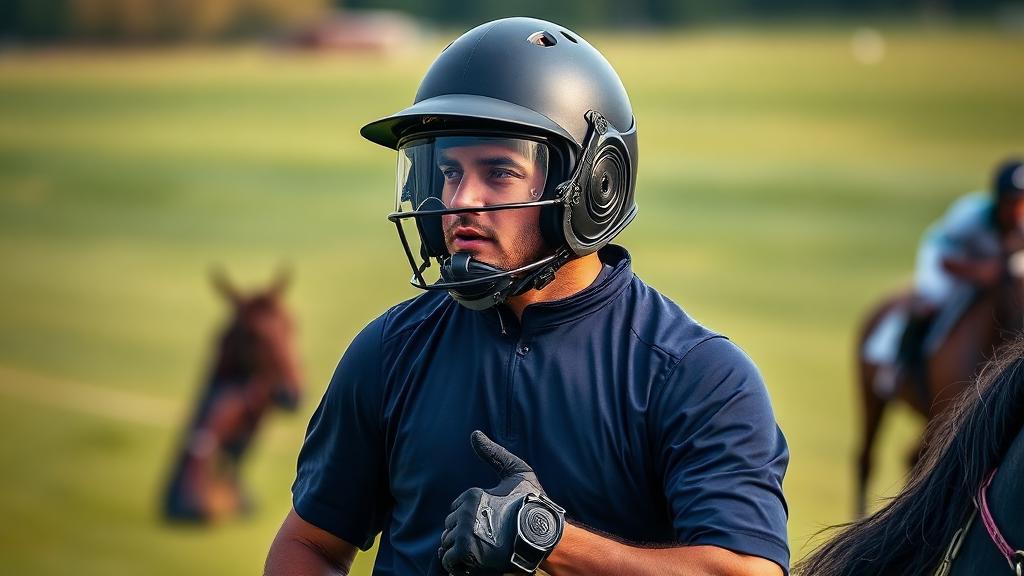
    **Helmets**: NOCSAE-certified helmets specifically fitted for children. Face guards are mandatory for all youth players at most clubs.

    **Knee Guards**: Youth-sized guards that don't restrict movement but provide protection.

    **Boots**: Proper riding boots with heels to prevent slipping through stirrups.

    **Body Protectors**: Many programmes require or recommend body protectors for young players.

    Safe Learning Environment

    Quality youth programmes feature:

  7. Calm, experienced school ponies suitable for children
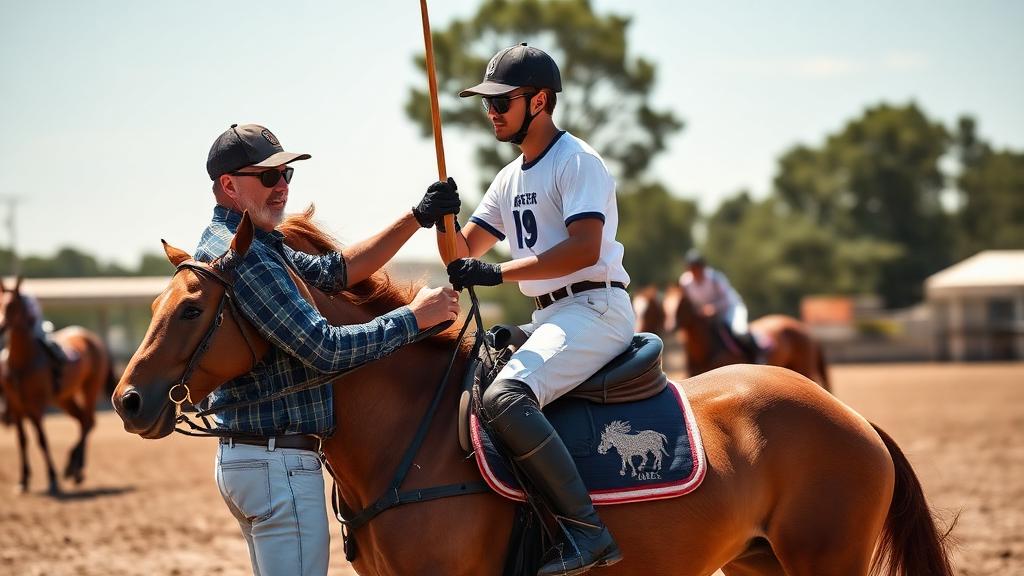
  8. Qualified instructors with youth coaching experience
  9. Small group sizes for adequate supervision
  10. Progressive skill development without rushing
  11. Clear safety protocols understood by all participants
  12. Finding the Right Programme

    Types of Youth Polo Programmes

    **Polo Camps**: Intensive short courses (1-2 weeks) offering immersive introductions. Ideal for testing interest before longer commitment.

    **Weekly Lessons**: Regular instruction building skills gradually. Better for sustained development.

    **School/University Programmes**: Structured competitive programmes through educational institutions.

    **Pony Club Polo**: Many Pony Club branches offer polo instruction as part of broader equestrian education.

    Questions to Ask

    When evaluating programmes:

  13. What are the instructor qualifications?
  14. What is the ratio of instructors to students?
  15. How are horses selected for youth players?
  16. What safety equipment is required/provided?
  17. What is the progression pathway?
  18. Are there competitive opportunities?
  19. What are the total costs involved?
  20. Understanding the Costs

    Typical Youth Programme Costs (2026)

    Costs vary significantly by region:

    **Polo Camps**: £500-2,000 per week (includes horses, equipment, accommodation)

    **Weekly Lessons**: £50-150 per session (group lessons more affordable)

    **Equipment**: £200-500 for personal kit (helmet, boots, gloves)

    **Competition Entry**: £50-200 per tournament

    Making Polo Affordable

    Many families access polo through:

  21. Pony Club polo (lower cost introduction)
  22. Scholarship programmes offered by clubs and federations
  23. Group lessons rather than private instruction
  24. Borrowing equipment while learning
  25. Working programmes (older teens can work for lessons)
  26. The Progression Pathway

    Stage 1: Ground Work (6-12 months)

    Young players learn:

  27. Basic horse handling and safety
  28. Grooming and tacking up
  29. Wooden horse swing technique
  30. Understanding polo rules and terminology
  31. Stage 2: Mounted Introduction (6-12 months)

    Progressing to horseback:

  32. Riding basics if needed
  33. Mounted stick-and-ball at walk and trot
  34. Ball hitting while stationary
  35. Basic horse control during play
  36. Stage 3: Slow Chukkas (1-2 years)

    Beginning team play:

  37. Slow-paced practice games
  38. Understanding positions and teamwork
  39. Basic tactical awareness
  40. First youth tournament experiences
  41. Stage 4: Competitive Development

    For committed young players:

  42. Regular competition in youth leagues
  43. Development towards a handicap rating
  44. Advanced tactical and technical training
  45. Pathway towards adult polo
  46. Benefits of Youth Polo

    Physical Development

  47. Core strength and balance
  48. Cardiovascular fitness
  49. Coordination and motor skills
  50. Overall athleticism
  51. Mental Development

  52. Strategic thinking
  53. Decision-making under pressure
  54. Concentration and focus
  55. Resilience and perseverance
  56. Social Benefits

  57. Teamwork and communication
  58. Responsibility for animals
  59. International friendships through polo community
  60. Confidence and leadership skills
  61. Major Youth Polo Organisations

  62. **USPA Youth Development**: Comprehensive US youth programme
  63. **Pony Club**: International organisation with polo instruction
  64. **HPA Youth**: British youth polo development
  65. **AAP Youth**: Argentine youth polo system
  66. Introducing children to polo can spark a lifelong passion for the sport, horses, and the values of sportsmanship that polo embodies.
    youth
    children
    beginner
    parents

    Related Articles

    Complete Beginner's Guide to Polo: Your First Steps

    Complete Beginner's Guide to Polo: Your First Steps

    Everything you need to know before your first polo lesson, from what to wear to basic terminology and realistic expectations.

    12 min read
    Arena vs Grass Polo: Understanding the Differences

    Arena vs Grass Polo: Understanding the Differences

    Compare indoor arena polo with traditional grass polo—rules, equipment, horses, and which is right for you.

    8 min read
    Polo Safety: Essential Precautions Every Player Should Know

    Polo Safety: Essential Precautions Every Player Should Know

    From proper helmet fitting to field awareness, learn the essential safety practices that keep polo players protected during training and matches.

    10 min read

    The Chukka Bulletin

    Polo guides, news & tips — weekly

    Ready to Start Playing?

    Find a polo club near you

    Find a Club