Lesiones de polo: prevención, tratamiento y recuperación
Desde golpes con mazos hasta caídas, conozca las lesiones más comunes en el polo y las estrategias basadas en evidencia para prevenirlas, tratarlas y recuperarse de ellas.
Lesiones de polo: prevención, tratamiento y recuperación
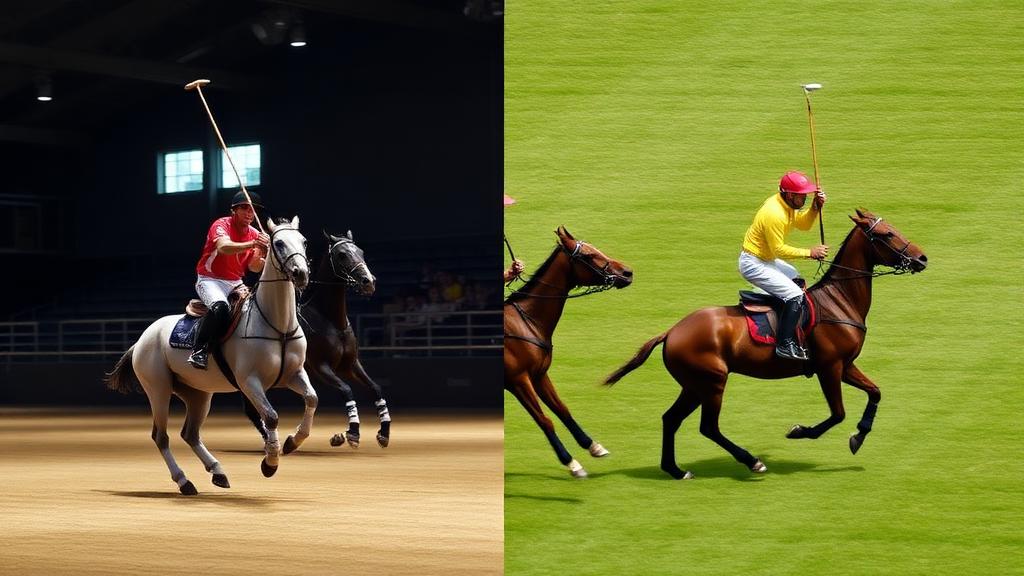
El polo es uno de los deportes de equipo más rápidos del mundo. Los caballos galopan a más de 30 mph, las pelotas duras vuelan de manera impredecible y los jugadores balancean mazos pesados en espacios reducidos. Comprender los riesgos de lesiones y cómo mitigarlos es esencial para todos los jugadores. Consulte polo equipment guide para conocer el equipo de seguridad que ayuda a prevenir muchas de estas lesiones.
Lesiones más comunes
1. [Mallet](/glossary/mallet) Golpes e impactos de pelota
Las lesiones más frecuentes en el polo provienen de golpes con un mazo o una pelota. Zonas comunes: manos, antebrazos, rodillas y cara.
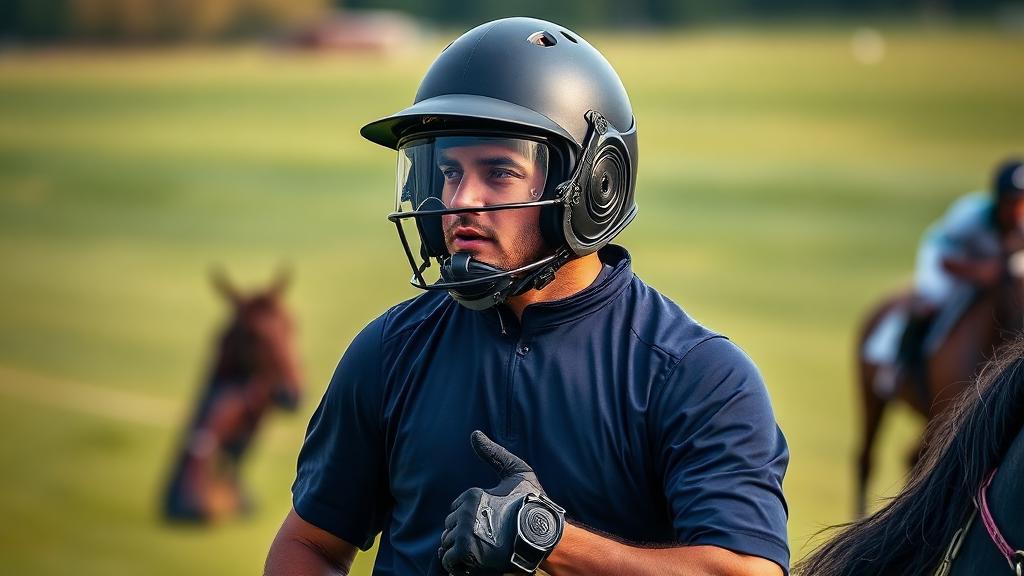
**Prevención**: Use cascos aprobados con protectores faciales (especialmente para arena polo), rodilleras y guantes. Mantenga la conciencia espacial y mencione las jugadas.
2. Caídas
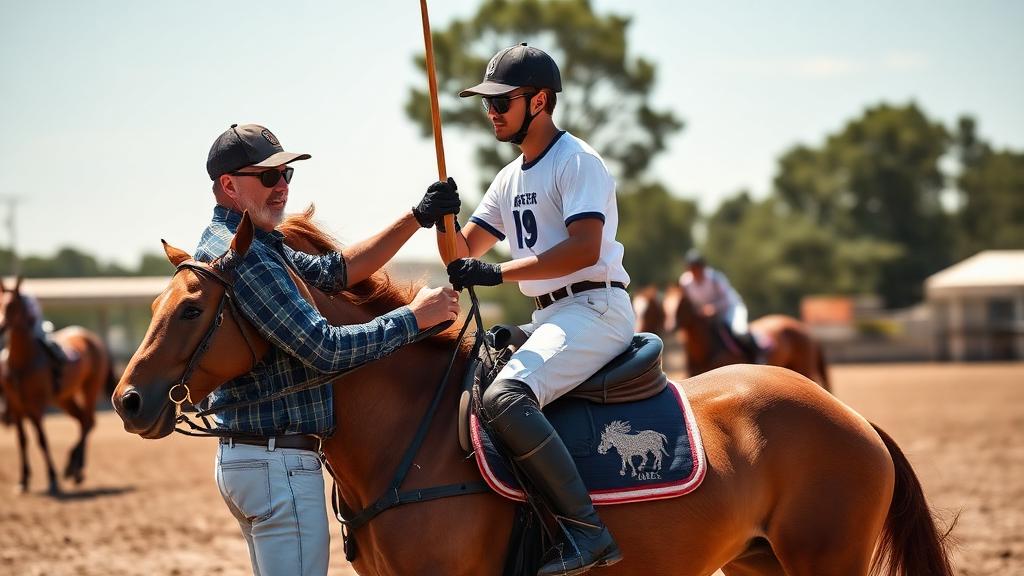
Las caídas ocurren cuando los caballos tropiezan, durante los paseos o cuando los jugadores pierden el equilibrio al balancearse. Las dislocaciones de hombro, las fracturas de clavícula y las conmociones cerebrales son los riesgos más graves.
**Prevención**: Desarrolla un asiento fuerte y equilibrado mediante la práctica de la conducción. Aprenda a caer: agáchese y gire en lugar de apoyarse con los brazos extendidos.
3. Tensión repetitiva
El swing de polo ejerce una enorme tensión rotacional en el hombro, el codo y la muñeca. Los problemas de tendinitis, codo de golfista y manguito rotador son comunes en los jugadores habituales.
**Prevención**: entrenamiento de fuerza (especialmente ejercicios del manguito rotador), calentamiento adecuado y limitación del volumen de práctica cuando se está fatigado.
4. Dolor lumbar
Los períodos prolongados en la silla combinados con torsiones generan una carga espinal significativa.
**Prevención**: Fortalecimiento del core, trabajo de movilidad de la cadera y estiramientos regulares. Considere un protector corporal con soporte para la columna.
Elementos básicos de primeros auxilios
Todo campo de polo debe tener:
Protocolo de conmoción cerebral
Polo ha adoptado protocolos de conmoción cerebral cada vez más estrictos:
1. **Retirar del juego** inmediatamente si se sospecha una conmoción cerebral
2. **Evaluar** usando SCAT6 o equivalente
3. **Descanse** durante un mínimo de 7 días sin síntomas antes de regresar
4. **Regreso gradual**: ejercicio ligero → ejercicios específicos del deporte → práctica sin contacto → juego completo
5. Se requiere **autorización médica** antes de volver a competir.
**Nunca** vuelva a jugar el mismo día en que se sospecha una conmoción cerebral.
Mejores prácticas de recuperación
Construyendo resiliencia
La prevención de lesiones a largo plazo consiste en desarrollar un cuerpo resistente:
El goal es para jugar polo durante décadas, no sólo temporadas. Invierte en prevención ahora y tu yo futuro te lo agradecerá. Para respaldar su resiliencia con un acondicionamiento adecuado, lea nuestro polo fitness guide y considere polo insurance para cubrir los costos médicos si ocurren accidentes.