Complete Beginner's Guide to Polo: Your First Steps
Everything you need to know before your first polo lesson, from what to wear to basic terminology and realistic expectations.
# Your First Steps in Polo
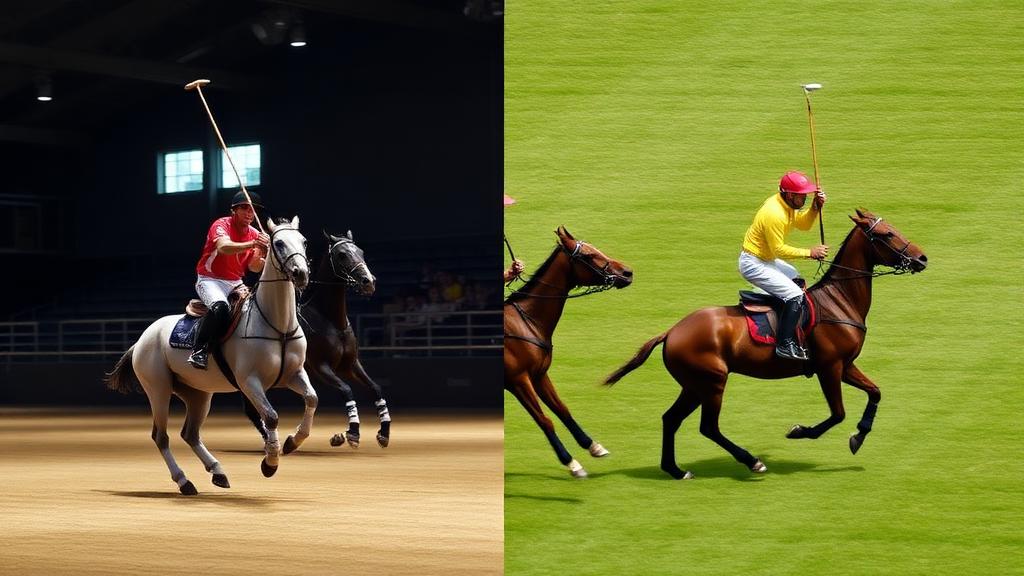
Polo might seem intimidating at first, but with the right guidance, anyone can learn the basics and experience the thrill of this ancient sport. Whether you've been captivated by watching a match or simply curious about trying something new, this comprehensive guide will prepare you for your polo journey.
## What to Expect at Your First Lesson
Most polo schools follow a structured approach to teaching beginners. Your first lesson will likely begin on the ground, not on horseback. Here's what typically happens:
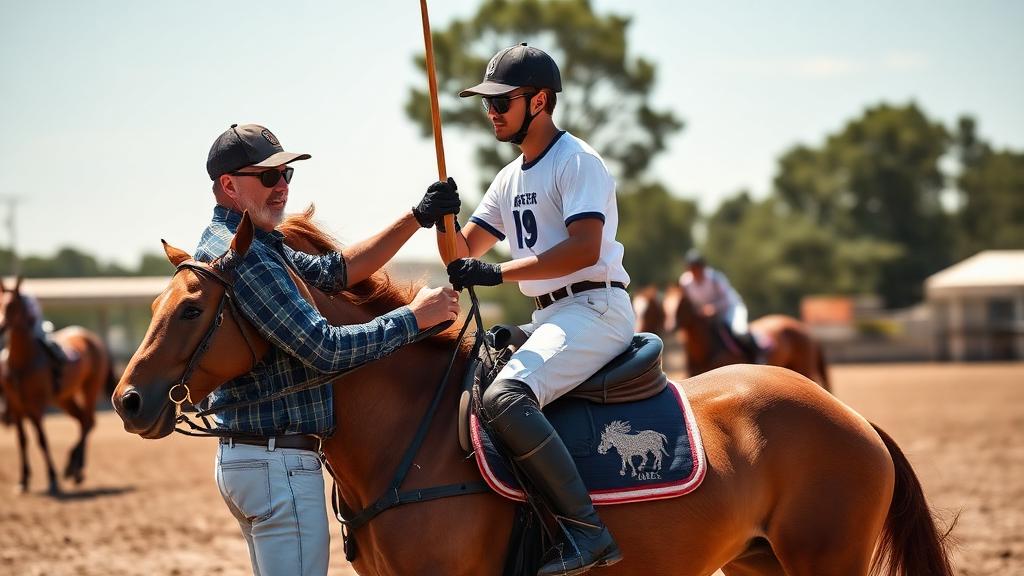
**Wooden Horse Training**: You'll start on a stationary wooden horse (sometimes called a polo simulator). This allows you to focus entirely on your swing mechanics without worrying about controlling a real horse. Expect to spend 30-60 minutes here learning:
- How to hold the mallet correctly with the proper grip
- Basic swing mechanics and body positioning
- The pendulum motion that powers effective shots
- Safety protocols and mallet awareness
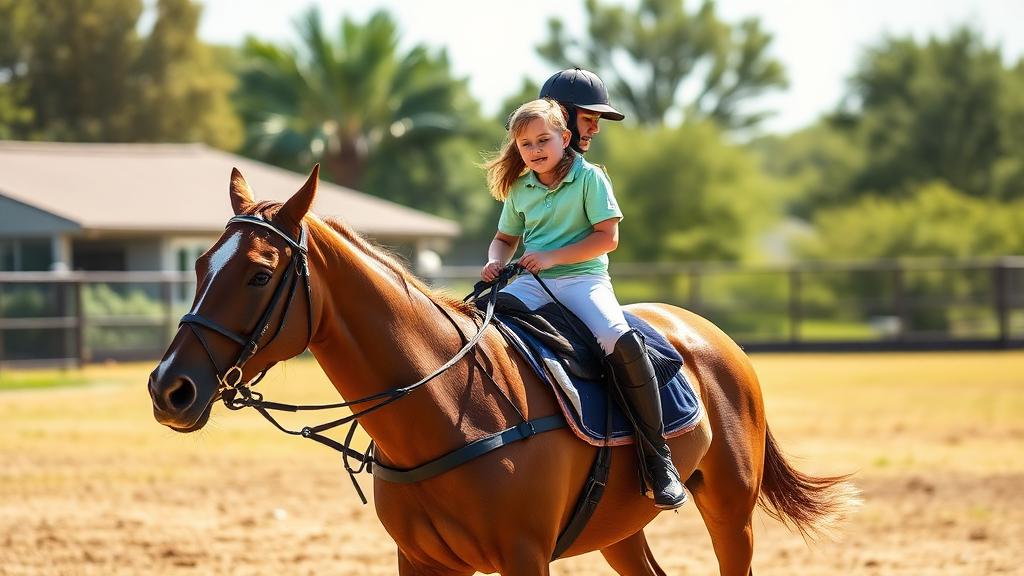
**Mounted Introduction**: Once your instructor is satisfied with your ground work, you'll progress to a calm, experienced polo pony. These horses are specifically trained for beginners and will be patient and responsive.
## What to Wear
Dressing appropriately will make your first lesson much more comfortable:
- Comfortable riding pants or well-fitted jeans (avoid loose fabric that could catch)
- Boots with a small heel (1-2 inches) to prevent your foot slipping through the stirrup
- Long-sleeved shirt for sun and mallet protection
- Layers you can remove as you warm up
- Hair tied back securely
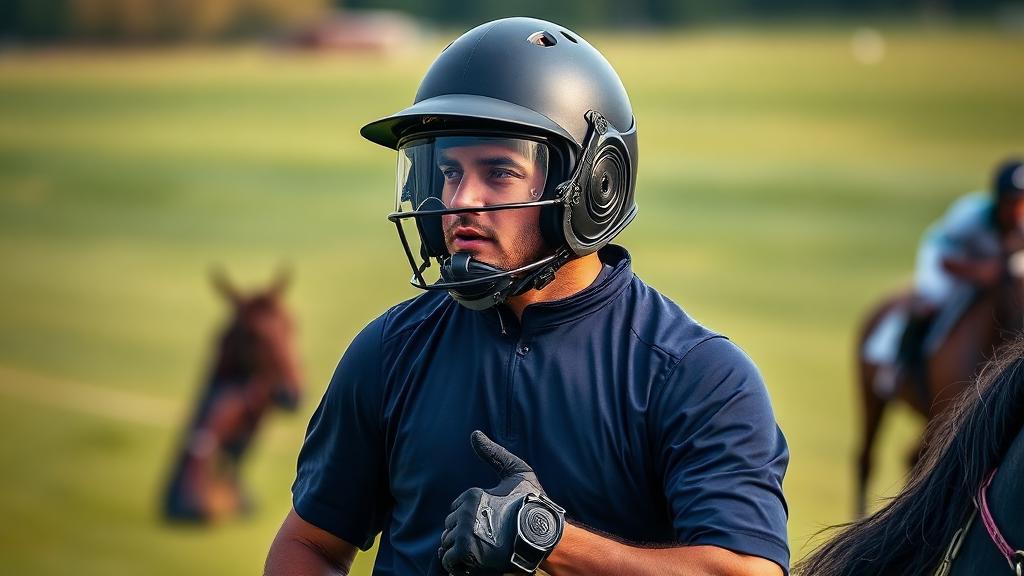
**What the Club Provides**: Most polo schools supply helmets, mallets, and sometimes knee pads for beginners. Always confirm what's included when you book.
## Mental Preparation
Approaching your first lesson with the right mindset will accelerate your learning:
- **Expect to feel awkward**: Everyone does at first. Coordinating horse riding with hitting a ball is genuinely challenging.
- **Focus on fundamentals**: Resist the urge to hit hard. Accuracy and technique matter far more than power initially.
- **Be patient with yourself**: Most people need 6-10 lessons before things start feeling natural.
- **Ask questions**: Good instructors welcome curiosity and will explain the reasoning behind each technique.
## Essential Terminology
Understanding these basic terms will help you follow instructions and feel more confident:
**Chukka**: A period of play lasting 7.5 minutes. Matches consist of 4-6 chukkas.
**Nearside**: The left side of the horse (where you typically hit the ball).
**Offside**: The right side of the horse.
**Line of the Ball**: The imaginary path the ball travels, which determines right of way.
**Mallet**: The bamboo stick used to hit the ball, also called a polo stick.
**Polo Pony**: Despite the name, polo horses are full-sized horses, typically 15-16 hands.
## Choosing the Right Club
Not all polo clubs cater to beginners equally. Look for:
- Dedicated beginner programs with structured lesson progressions
- Patient, experienced instructors with teaching qualifications
- Well-trained school horses suitable for novices
- Positive reviews from other beginners
- Flexible scheduling options
## Your First Day Checklist
- Arrive 15-20 minutes early to complete paperwork
- Bring water and stay hydrated
- Apply sunscreen, even on cloudy days
- Bring a positive attitude and willingness to learn
- Leave jewellery at home to avoid injury
## Frequently Asked Questions
**Do I need horse riding experience?** While helpful, it's not essential. Many polo schools accept complete beginners and teach both riding and polo skills together.
**How fit do I need to be?** A basic level of fitness helps, but polo is accessible to people of varying fitness levels. Your fitness will improve as you play.
**How much does it cost?** Beginner lessons typically range from £50-150 per session, depending on location and duration. See our polo costs guide for a full breakdown.
**Is polo dangerous?** Like any equestrian sport, there are risks, but proper instruction and safety equipment minimise them significantly.
Ready to find somewhere to play? Use polo near me to locate clubs in your area.
Welcome to the sport of kings—your polo adventure starts here!