Desde el ajuste adecuado del casco hasta la concienciación sobre el campo, aprenda las prácticas de seguridad esenciales que mantienen a los jugadores de polo protegidos durante los entrenamientos y los partidos.
Seguridad en el polo: proteger a los jugadores en el campo
El polo es un deporte apasionante que combina equitación, atletismo y estrategia a altas velocidades. Si bien esto genera un entusiasmo increíble, también exige una gran atención a la seguridad. Comprender e implementar las precauciones de seguridad adecuadas no solo te protege a ti mismo, sino también a tus compañeros y a los caballos.
Equipo de protección esencial
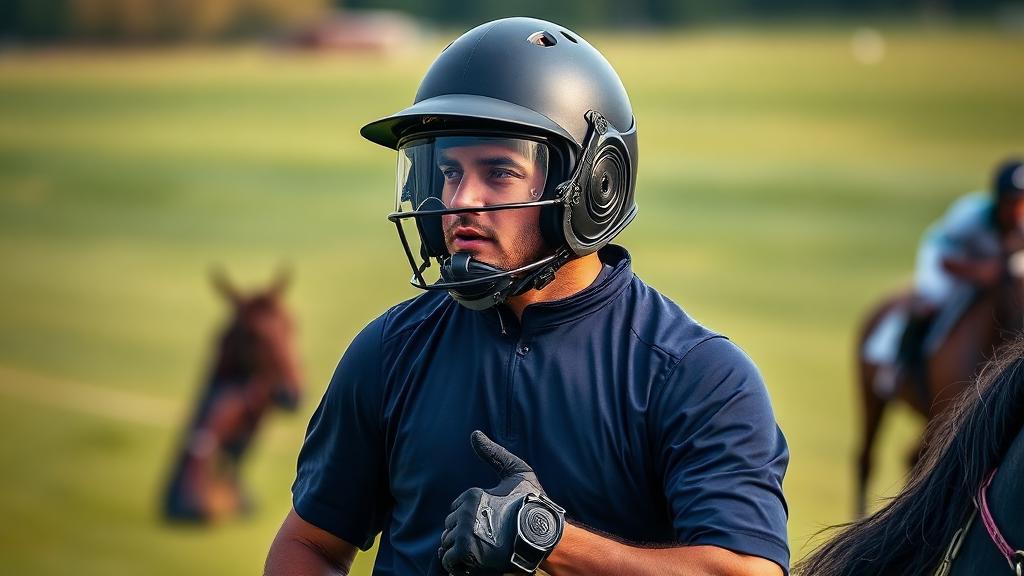
El casco de polo
Su casco es su pieza más importante de equipo de seguridad. En febrero de 2026, todas las principales federaciones de polo exigirán que los cascos cumplan normas de seguridad específicas:
**Requisitos clave**:
Debe estar certificado por NOCSAE o cumplir con estándares internacionales equivalentes. Las protecciones faciales son obligatorias en muchos clubes, especialmente para los principiantes. Debe ajustarse cómodamente sin restringir la visión o el oído. Debe ser reemplazado inmediatamente después de cualquier impacto significativo. Reemplace cada 3-5 años incluso sin daños visibles **Consejos de ajuste**:
El casco debe quedar nivelado sobre la cabeza, no inclinado. La correa de la barbilla debe estar ajustada pero cómoda. Deberías poder pasar un dedo entre la correa y la barbilla. El casco no debe moverse independientemente de su cabeza cuando lo sacuda Rodilleras
Las rodilleras protegen contra golpes, colisiones de caballos y caídas:
Elija protectores que cubran tanto el frente como los lados de la rodilla. Asegúrese de que las correas estén seguras pero no restrinjan la circulación. Reemplace cuando las compresas acolchadas o las correas se debiliten Considere guardias con protección adicional para los muslos para el juego competitivo. Botas tipo polo
El calzado adecuado previene lesiones en los pies y garantiza la colocación segura de los estribos:
Las botas deben tener una suela lisa para deslizarse fácilmente de los estribos. Un tacón de 1 a 2 pulgadas evita que el pie se deslice La construcción de cuero ofrece protección contra golpes de mazo Las botas deben quedar ajustadas para brindar soporte al tobillo. Guantes
Los guantes protegen tus manos y mejoran el agarre:
Elige guantes de piel o sintéticos diseñados para polo. Asegurar un buen agarre tanto del mazo como de las riendas. Reemplace cuando esté desgastado para mantener el control. Protocolos de seguridad de campo
Comprender el derecho de paso
La regla line of the ball es fundamental para la seguridad del polo:
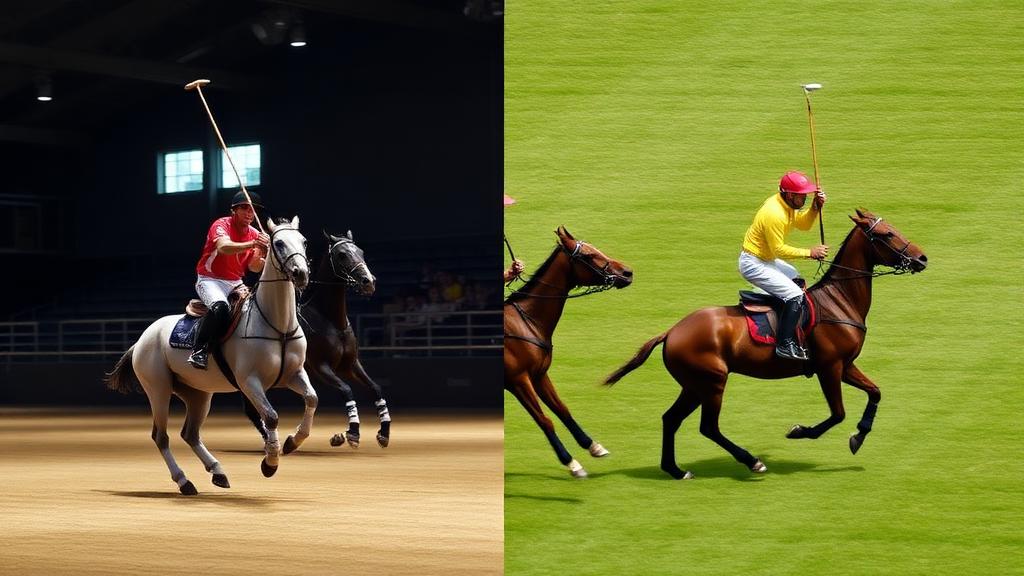
El jugador que sigue la línea de recorrido de la pelota tiene preferencia de paso. Crossing esta línea en ángulos peligrosos causa la mayoría de las colisiones Mirar siempre antes de cruzar la línea de la pelota. En caso de duda, deténgase y espere. Conciencia del mazo
El manejo inadecuado del mazo causa muchas lesiones en el polo:
**Hacer**:
Mantén tu mazo bajo control en todo momento. Comprueba tu backswing antes de golpear. Lleva tu mazo correctamente cuando no esté en uso. Practica el control del swing antes de jugar a gran velocidad. **No**:
Balancea a ciegas sin mirar detrás de ti. Utilice un seguimiento excesivo en juegos con mucha gente. Balancearse a alturas peligrosas alrededor de otros jugadores. Jugar con un mazo dañado o de tamaño incorrecto [Ride-Off](/glossary/ride-off) Seguridad
Las salidas son legales pero deben realizarse de forma segura:
Acérquese en ángulos seguros (dentro de los 45 grados del paralelo) Iguala la velocidad antes de hacer contacto. Nunca empujes directamente hacia el camino de otro caballo. Evitar el contacto cuando los caballos estén desequilibrados. Consideraciones de seguridad para los caballos
La seguridad de los jugadores y la seguridad de los caballos están interconectadas:
Comprobaciones previas al partido
Asegúrese de que la tachuela esté correctamente colocada y en buenas condiciones. Comprobar la tensión de la cincha antes del montaje y entre chukkas. Verificar que las botas protectoras del caballo estén seguras. Asegúrese de que el caballo esté sano y alerta. Durante el juego
Nunca galopes con un caballo cansado o angustiado. Escuche cualquier signo de malestar o cojera. Deténgase inmediatamente si el equipo falla Enfriar adecuadamente a los caballos entre chukkas. Preparación para emergencias
Toda instalación de polo debe tener:
Equipo de primeros auxilios fácilmente accesible. Números de contacto de emergencia publicados Socorristas calificados en el lugar durante el juego. Procedimientos claros de evacuación. Contacto veterinario para emergencias equinas. Capacitación para la Seguridad
La mejor medida de seguridad es una formación adecuada:
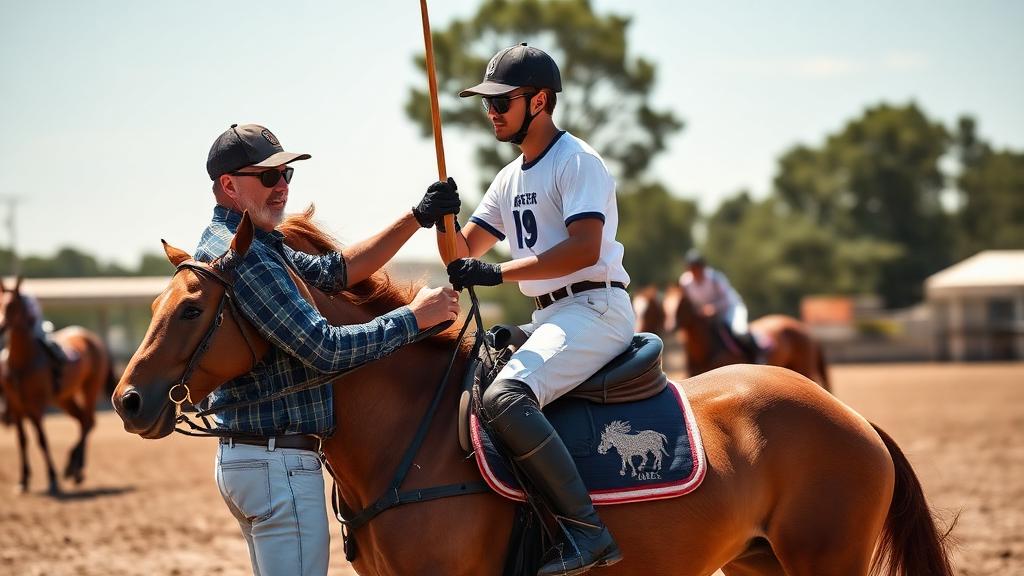
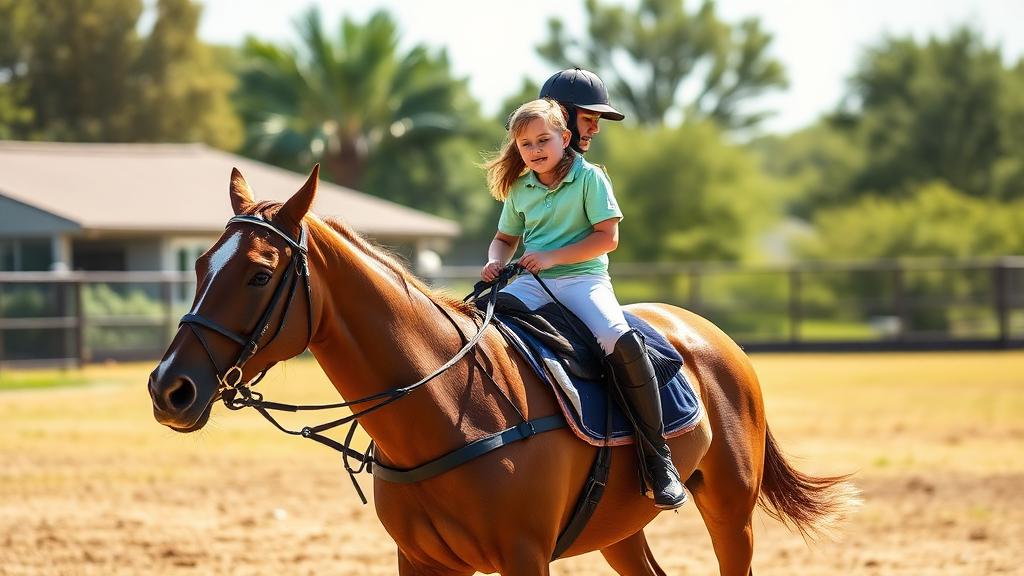
Tomar lecciones de instructores calificados. Progresa gradualmente para jugar más rápido Practica el control y la parada antes de la velocidad. Aprende a caer correctamente si estás desmontado. Comprende tus límites y juega dentro de ellos. Consideraciones climáticas
Las condiciones ambientales afectan la seguridad:
Rayo: deja de jugar inmediatamente y busca refugio. Condiciones húmedas: ajuste la velocidad y tenga cuidado con el suelo resbaladizo Calor extremo: Monitorizar el agotamiento por calor en jugadores y caballos. Mala visibilidad: Reducir la velocidad o posponer el juego. Creando una cultura de seguridad
La seguridad en el polo es responsabilidad de todos:
Hablar sobre el juego peligroso. Apoyar a los jugadores más nuevos a aprender las reglas. Informar fallas de equipos o peligros de campo. Fomentar rutinas adecuadas de calentamiento y enfriamiento. Nunca juegues bajo los efectos del alcohol o la fatiga. Al tomar en serio la seguridad, protegemos los activos más valiosos de nuestro deporte: los jugadores y los caballos que hacen del polo el increíble juego que es.