    0%
    Complete Spectator's Guide: How to Watch and Enjoy Polo
    Back to all articles
    Learn Polo

    Complete Spectator's Guide: How to Watch and Enjoy Polo

    New to watching polo? Learn how to follow the action, understand the rules, dress appropriately, and make the most of your polo match experience.

    James Whitfieldjueves, 5 de febrero de 202611 min read

    The Complete Spectator's Guide to Polo

    Attending a polo match is a unique social and sporting experience. Whether you're heading to a prestigious high-goal tournament or a local club match, understanding the game and its traditions will enhance your enjoyment. To find events near you, visit [watch polo](/watch-polo) or check the [tournament tracker](/tournament-tracker).

    Understanding the Basics

    The Objective

    Polo is straightforward: two teams of four riders attempt to score goals by hitting a small ball through the opposing team's goal posts using mallets. The team with more goals at the end wins.

    Match Structure

    **Chukkas**: Matches are divided into periods called chukkas, each lasting 7.5 minutes of play time. Most matches consist of 4-6 chukkas.

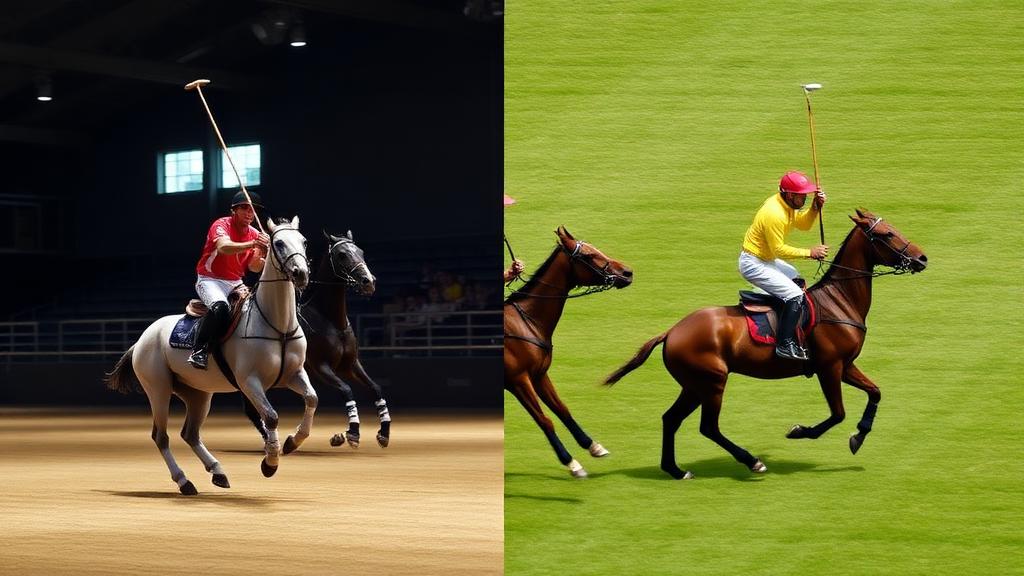
    **The Field**: A polo field is approximately 300 yards long and 160 yards wide—roughly the size of nine football pitches.

    **Goals**: The goal posts are 8 yards apart, set at each end of the field.

    **The Ball**: Polo balls are white plastic, about 3.25 inches in diameter.

    The Players

    Each team has four players, numbered 1-4:

  1. **Number 1**: Main attacker, focused on scoring
  2. **Number 2**: Offensive player, supporting attacks and defending when needed
  3. **Number 3**: Pivot player, often team captain and best overall player
  4. **Number 4**: Defender, primarily protecting the goal
  5. Following the Action

    Key Rules to Know

    **Line of the Ball**: An imaginary line created by the ball's path. Players have right of way if following this line—crossing it dangerously is a foul.

    **Right of Way**: The player with right of way cannot be impeded. Violations result in penalties.

    **Ride-Off**: A legal manoeuvre where players bump horses to push opponents off the line.

    **Hooking**: Players can use their mallet to hook an opponent's mallet during a swing—but not above shoulder height.

    Understanding the Whistle

    The umpires (usually two mounted officials) blow whistles to:

  6. Start and stop play
  7. Signal fouls
  8. Indicate goals
  9. Mark the end of chukkas
  10. Penalties

    When fouls occur, penalties are awarded from different distances:

  11. **Penalty 1**: Goal automatically awarded (severe fouls)
  12. **Penalty 2**: Hit from 30 yards, defenders behind goal line
  13. **Penalty 3**: Hit from 40 yards
  14. **Penalty 4**: Hit from 60 yards
  15. **Penalty 5**: Hit from centre field or where foul occurred
  16. The Spectator Experience

    What to Expect

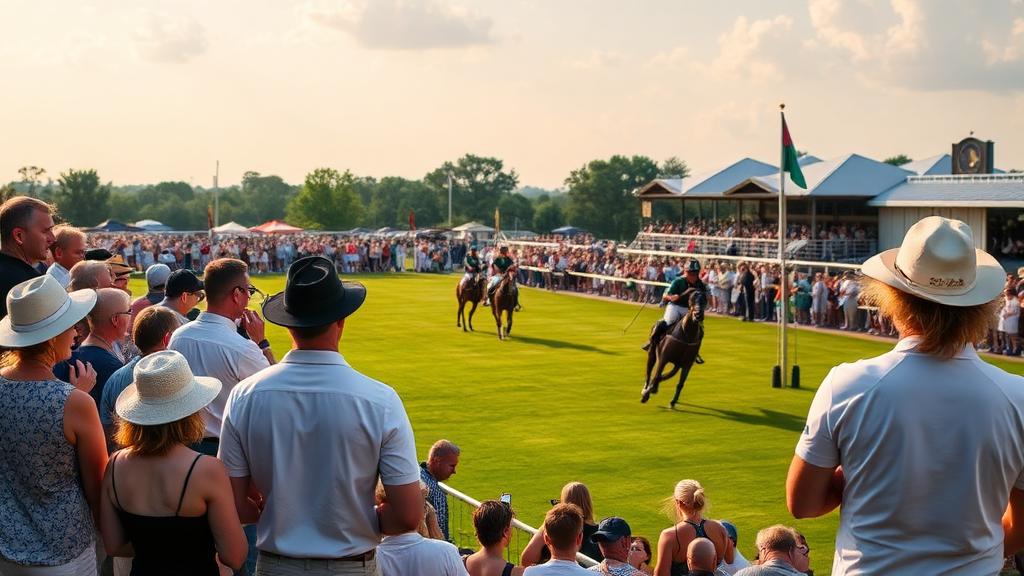
    **Atmosphere**: Polo combines sporting intensity with social occasion. Expect a mix of serious sport fans and those enjoying the atmosphere.

    **Duration**: A typical four-chukka match lasts about 90 minutes including intervals. Six-chukka high-goal matches run approximately two hours.

    **Intervals**: Brief breaks between chukkas allow horse changes. A longer interval (typically after the third or fourth chukka) is the famous "divot stomping" tradition.

    Divot Stomping

    At halftime, spectators are invited onto the field to replace the divots (chunks of turf) kicked up by the horses. This is:

  17. A genuine help to the groundskeepers
  18. A beloved tradition and social opportunity
  19. A chance to experience the field's scale
  20. Perfect for photos and socialising
  21. What to Wear

    Dress codes vary by venue and event:

    High-Goal and Major Tournaments

    **Women**: Summer dresses, smart separates, elegant jumpsuits. Hats and fascinators are popular. Wedge heels work better than stilettos on grass.

    **Men**: Smart casual to semi-formal. Chinos or smart trousers with blazers. Ties often expected at premium events.

    Local Club Matches

    More relaxed:

    **Women**: Smart casual—sundresses, jeans with nice tops, comfortable footwear.

    **Men**: Chinos, polo shirts (appropriately named!), casual jackets optional.

    General Tips

  22. Check the event website for specific dress codes
  23. Bring layers (weather can change)
  24. Wear flat or wedge shoes for grass surfaces
  25. Bring sunglasses and sunscreen
  26. Consider a hat for sun protection
  27. Practical Considerations

    Getting There

    Polo venues are often rural. Consider:

  28. Parking (usually on-site, sometimes at a fee)
  29. Transport options (designated drivers, taxis)
  30. Journey time (allow extra during tournament days)
  31. What to Bring

  32. Sunscreen and sunglasses
  33. Layers for changing weather
  34. Cash for vendors (though many accept cards now)
  35. Camera
  36. Picnic items if permitted
  37. Chairs or blankets for lawn seating
  38. Food and Drink

    Options typically include:

  39. Food vendors and stalls
  40. Bars serving Champagne, Pimm's, and other drinks
  41. Picnic areas (check if outside food is permitted)
  42. Restaurant facilities at larger venues
  43. Getting Closer to the Action

    Best Viewing Spots

  44. **Near the goal**: See scoring attempts up close
  45. **Mid-field**: Best for following overall play
  46. **Behind the barriers**: Safety first—stay behind designated spectator areas
  47. Premium Experiences

    Many tournaments offer:

  48. VIP hospitality packages
  49. Champagne picnics
  50. Private tables and marquees
  51. Player meet-and-greets
  52. Behind-the-scenes tours
  53. Polo Etiquette

    Do

  54. Applaud good play (including for both teams)
  55. Participate in divot stomping
  56. Keep children and pets under control
  57. Stay behind spectator barriers
  58. Be respectful during moments of silence if a horse or player is injured
  59. Don't

  60. Touch the horses without permission
  61. Run onto the field during play
  62. Use flash photography near horses
  63. Throw items onto the field
  64. Obstruct other spectators' views
  65. Major tournaments offering excellent spectator experiences:

    **UK**: Cartier Queen's Cup, Gold Cup, Hurlingham Club events

    **USA**: US Open Polo Championship, Bridgehampton

    **Argentina**: Argentine Open, Palermo

    **Dubai**: Dubai Polo Gold Cup

    Whether you're attending for the sport, the social scene, or both, polo offers a uniquely engaging spectator experience that continues to charm newcomers and devotees alike. Before you go, learn the [polo dress code](/polo-dress-code) and review the [polo rules](/rules) so you can follow the action with confidence.
    spectator
    watching
    beginner
    events

    Related Articles

    Complete Beginner's Guide to Polo: Your First Steps

    Complete Beginner's Guide to Polo: Your First Steps

    Everything you need to know before your first polo lesson, from what to wear to basic terminology and realistic expectations.

    12 min read
    Arena vs Grass Polo: Understanding the Differences

    Arena vs Grass Polo: Understanding the Differences

    Compare indoor arena polo with traditional grass polo—rules, equipment, horses, and which is right for you.

    8 min read
    Polo Safety: Essential Precautions Every Player Should Know

    Polo Safety: Essential Precautions Every Player Should Know

    From proper helmet fitting to field awareness, learn the essential safety practices that keep polo players protected during training and matches.

    10 min read

    The Chukka Bulletin

    Polo guides, news & tips — weekly

    Ready to Start Playing?

    Find a polo club near you

    Find a Club