Youth Polo: Getting Young Riders Started Safely
A comprehensive guide for parents considering polo for their children, covering age requirements, safety measures, costs, and finding the right programme.
Youth Polo: Introducing Children to the Sport of Kings
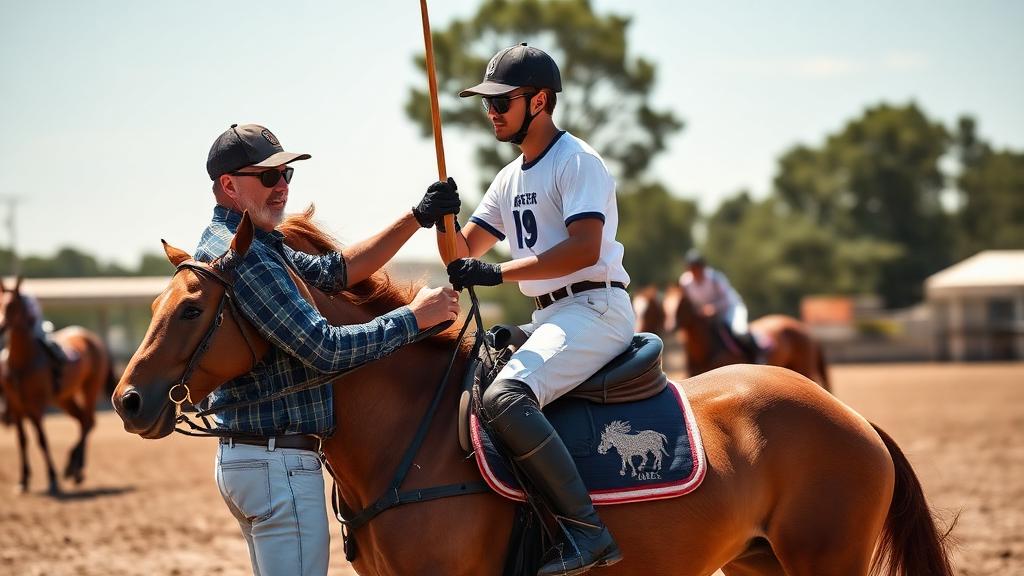
Polo offers young people an extraordinary combination of horsemanship, athletics, teamwork, and strategic thinking. For families considering polo for their children, understanding the pathway from beginner to player is essential for a safe and rewarding experience.
Is Polo Right for Your Child?
Ideal Age to Start
Children can begin their polo journey at different stages:
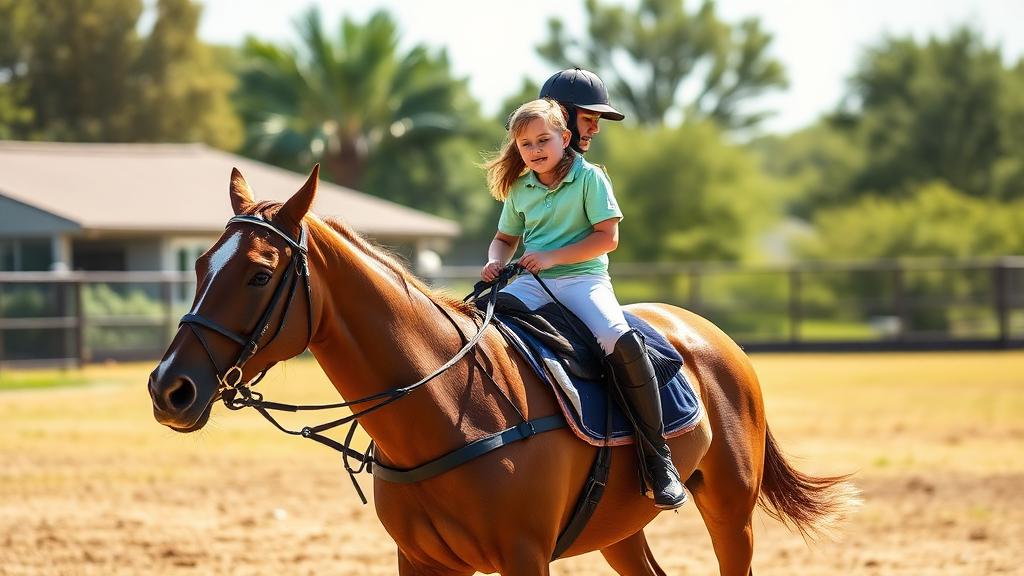
**Ages 5-7**: Introduction to horsemanship and pony care, with gentle mounted exercises. No mallet work yet.
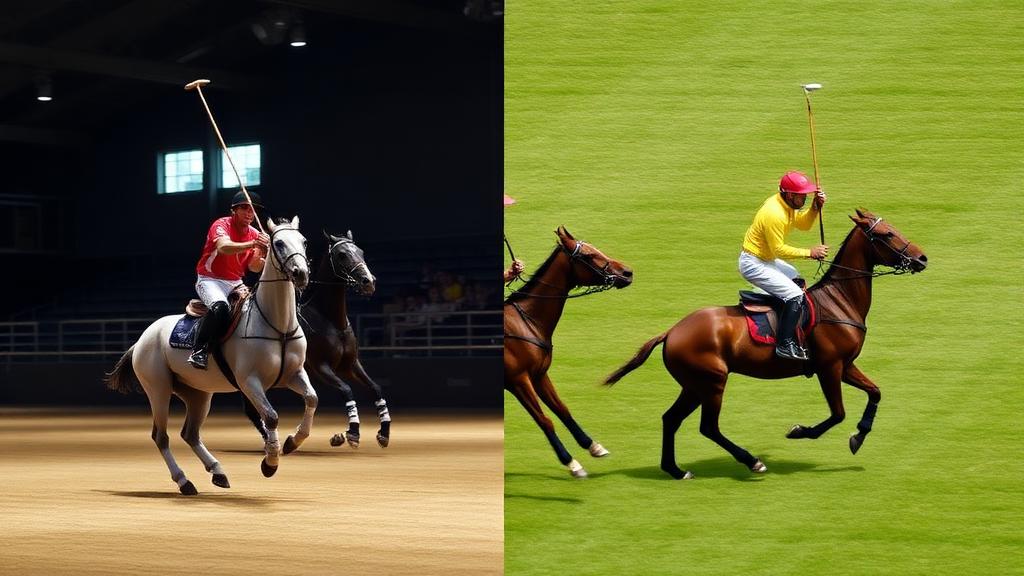
**Ages 8-10**: Begin basic mallet handling on wooden horses and controlled mounted introduction. Arena polo is safer at this stage.
**Ages 11-14**: Progress to slow chukkas and youth tournaments. Development of competitive skills.
**Ages 15+**: Full participation in junior and open competitions, development towards adult polo.
Prerequisites for Success
Young players benefit from:
Safety First: Protecting Young Players
Essential Safety Equipment
Young players require appropriately sized equipment:
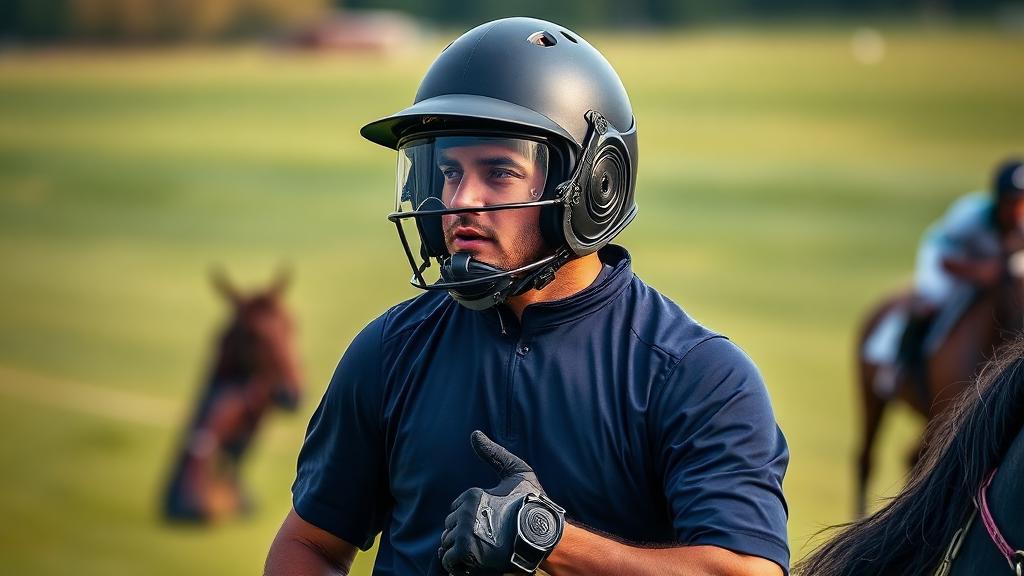
**Helmets**: NOCSAE-certified helmets specifically fitted for children. Face guards are mandatory for all youth players at most clubs.
**Knee Guards**: Youth-sized guards that don't restrict movement but provide protection.
**Boots**: Proper riding boots with heels to prevent slipping through stirrups.
**Body Protectors**: Many programmes require or recommend body protectors for young players.
Safe Learning Environment
Quality youth programmes feature:
Finding the Right Programme
Types of Youth Polo Programmes
**Polo Camps**: Intensive short courses (1-2 weeks) offering immersive introductions. Ideal for testing interest before longer commitment.
**Weekly Lessons**: Regular instruction building skills gradually. Better for sustained development.
**School/University Programmes**: Structured competitive programmes through educational institutions.
**Pony Club Polo**: Many Pony Club branches offer polo instruction as part of broader equestrian education.
Questions to Ask
When evaluating programmes:
Understanding the Costs
Typical Youth Programme Costs (2026)
Costs vary significantly by region:
**Polo Camps**: £500-2,000 per week (includes horses, equipment, accommodation)
**Weekly Lessons**: £50-150 per session (group lessons more affordable)
**Equipment**: £200-500 for personal kit (helmet, boots, gloves)
**Competition Entry**: £50-200 per tournament
Making Polo Affordable
Many families access polo through:
The Progression Pathway
Stage 1: Ground Work (6-12 months)
Young players learn:
Stage 2: Mounted Introduction (6-12 months)
Progressing to horseback:
Stage 3: Slow Chukkas (1-2 years)
Beginning team play:
Stage 4: Competitive Development
For committed young players:
Benefits of Youth Polo
Physical Development
Mental Development
Social Benefits
Major Youth Polo Organisations
Introducing children to polo can spark a lifelong passion for the sport, horses, and the values of sportsmanship that polo embodies.