Programas de polo para jóvenes: cómo iniciar a los niños en este deporte
Todo lo que los padres necesitan saber acerca de cómo introducir a los niños al polo, desde programas apropiados para la edad hasta consideraciones de seguridad.
Introduciendo a los niños al polo
El polo puede ser una experiencia transformadora para los jóvenes, ya que les enseña responsabilidad, espíritu deportivo y equitación, al mismo tiempo que fomenta la confianza y la aptitud física. Esta guía ayuda a los padres a navegar por el mundo del polo juvenil. Utilice polo near me para encontrar programas para jóvenes en su área.
¿A qué edad pueden empezar los niños?
La mayoría de los clubes de polo ofrecen programas para diferentes grupos de edad:
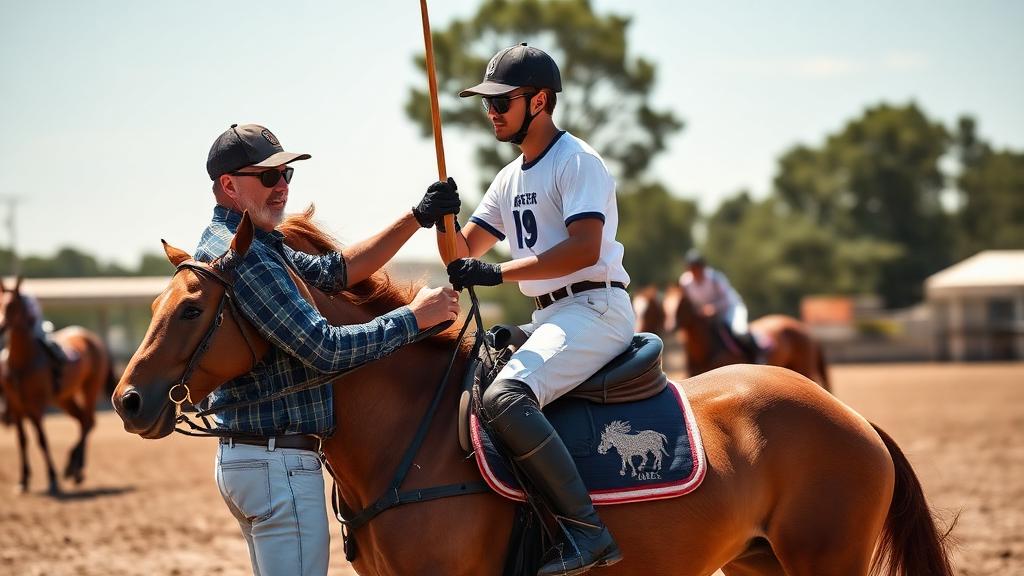
**Edades de 6 a 8**: programas básicos que se centran en la equitación básica, la seguridad y la introducción al mallet. Los niños suelen montar ponis suaves y golpear pelotas estacionarias.
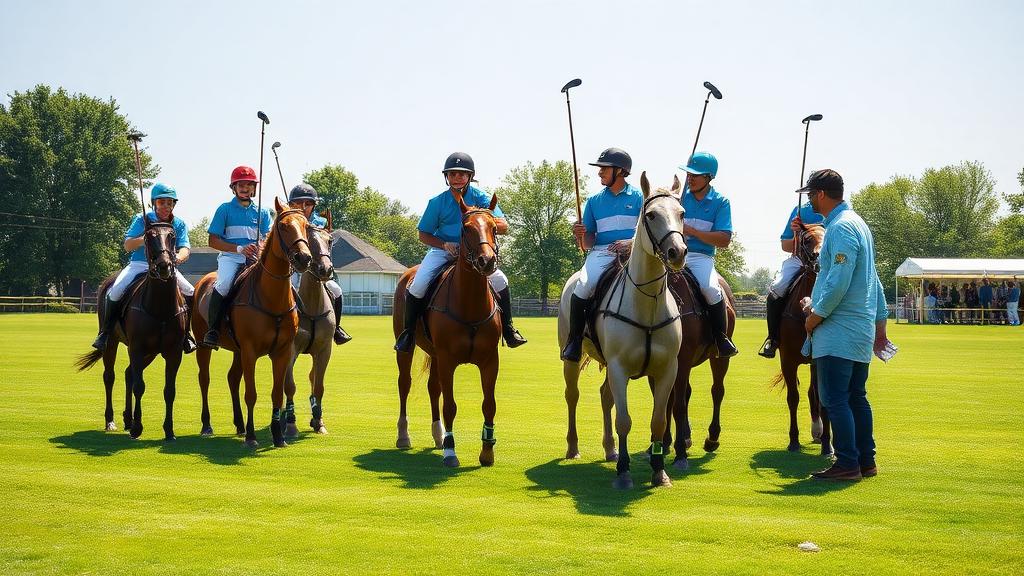
**Edades 9-12**: Comienzan las lecciones estructuradas de polo. Los niños aprenden la técnica adecuada del swing, las reglas básicas y comienzan a participar en chukkas de práctica lenta.
**Edades 13-16**: Se hace posible un juego más competitivo. Los jugadores jóvenes pueden desarrollarse para participar en torneos y comenzar a establecer handicaps.
**Edades 17+**: Se abren programas para adultos y vías competitivas. Muchos países tienen torneos sub-21 y sub-25.
Qué buscar en un programa para jóvenes
**Instructores calificados**: busque entrenadores con experiencia específicamente con jugadores jóvenes. Los buenos entrenadores juveniles comprenden las etapas de desarrollo y mantienen las lecciones interesantes.
**Caballos apropiados**: Los programas para jóvenes deben utilizar ponis tranquilos y bien entrenados, adecuados para jinetes jóvenes. La seguridad es primordial.
**Progresión estructurada**: Los mejores programas tienen caminos claros desde principiante hasta avanzado, con objetivos mensurables en cada etapa.
**Diversión y participación**: Los niños aprenden mejor cuando se divierten. Evite programas que sean demasiado competitivos demasiado pronto.
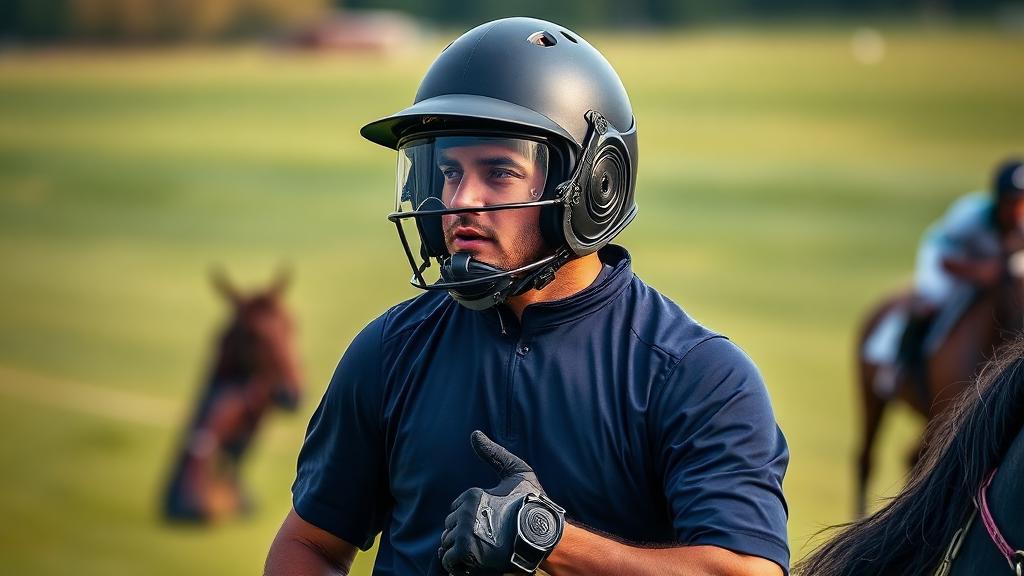
**Enfoque de seguridad**: Equipo adecuado, supervisión cuidadosa y actividades apropiadas para cada grupo de edad.
Los beneficios del polo juvenil
**Desarrollo físico**:
**Desarrollo Mental**:
**Desarrollo Social**:
**Habilidades para la vida**:
Equipamiento para jugadores jóvenes
**Equipo esencial**:
**Proporcionado por el club**: la mayoría de los programas para jóvenes proporcionan mazos (más cortos y livianos para los niños) y caballos.
**Ropa**: Ropa cómoda, bien ajustada y que permita el movimiento. Evite telas sueltas que puedan engancharse.
Consideraciones de costos
El polo juvenil es una inversión, pero muchos clubes ofrecen opciones asequibles:
**Costos típicos**:
**Formas de reducir costos**:
Caminos competitivos
Para los niños que muestran aptitudes e interés, las oportunidades competitivas incluyen:
**Pony Club Polo**: una excelente introducción al juego competitivo en un entorno de apoyo.
**Polo interescolar**: Las escuelas con programas de polo compiten a nivel regional y nacional.
**Torneos juveniles**: muchas asociaciones de polo organizan torneos para grupos de edades.
**Oportunidades internacionales**: Los jugadores jóvenes talentosos pueden tener oportunidades de representar a su país.
Apoyando a tu joven jugador de polo
**Participación de los padres**:
**Estímulo sobre presión**: El objetivo es disfrutar a largo plazo. Los niños que se sienten presionados a menudo se queman.
**Equilibrio**: Garantizar que el polo complemente, en lugar de abrumar, los compromisos académicos y sociales.
El polo puede ser un deporte maravilloso para los jóvenes, ya que brinda oportunidades únicas para el desarrollo físico, la formación del carácter y la creación de amistades para toda la vida. Comience con un programa de calidad, mantenga expectativas adecuadas y observe cómo su hijo prospera. Obtenga más información en polo schools y consulte polo costs guide para planificar el compromiso financiero.