    0%
    Horse Management Between Chukkas
    Back to all articles
    Horse Care

    Horse Management Between Chukkas

    Learn the essential protocols for cooling, hydrating, and preparing polo ponies during the critical rest periods between chukkas.

    Sofia MendezSunday, 8 February 202611 min read

    Horse Management Between Chukkas

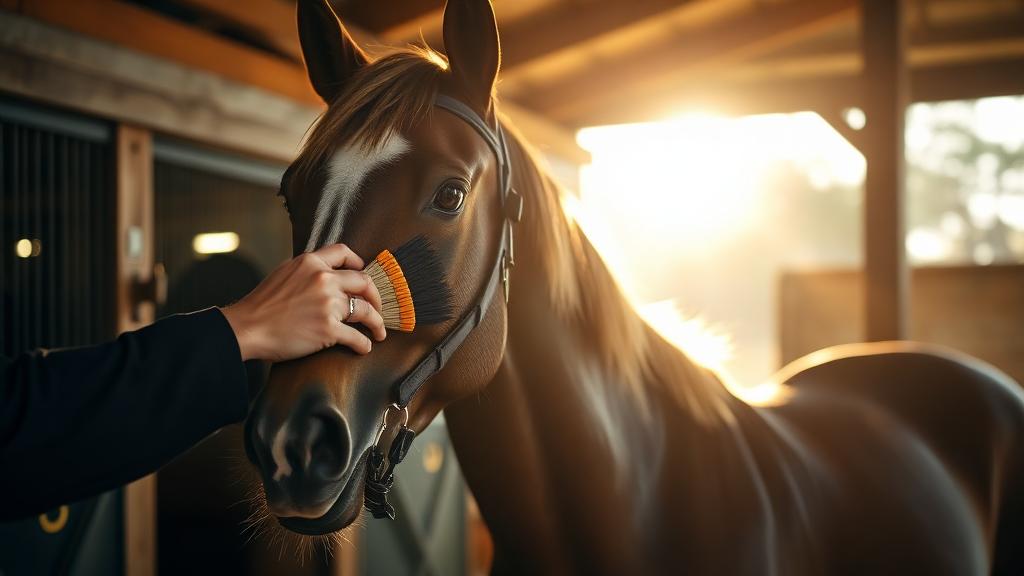
    The 3-4 minutes between chukkas are among the most important in polo — not for the players, but for the horses. How you manage your ponies during these brief windows directly affects their performance, welfare, and longevity. Whether you're a player managing your own string or a groom responsible for a patron's horses, these protocols matter.

    Immediate Post-Chukka (0-60 Seconds)

    As soon as the bell sounds:

    1. **Walk, don't stop**: Keep the horse walking. Sudden stops after intense exercise can cause blood pooling and muscle cramping

    2. **Loosen the girth**: Drop it one or two holes to allow deeper breathing

    3. **Remove the bridle carefully**: Some grooms switch to a headcollar for comfort; others loosen the noseband

    4. **Offer water**: Small sips — not a full drink. 4-6 swallows is ideal

    Active Cooling (1-3 Minutes)

    Polo ponies generate enormous heat during a chukka. Effective cooling prevents heat stress:

  1. **Sponge or hose**: Focus on large blood vessels — the neck, chest, and inside of the hind legs
  2. **Scrape immediately**: Water left on the coat acts as insulation. Sponge, scrape, repeat
  3. **Walk in shade**: If available, walk the horse in a shaded area
  4. **Ice boots**: For horses with known tendon issues, apply ice boots to the lower legs during rest
  5. **Critical**: In hot climates (above 30°C / 85°F), cooling is not optional — it's a welfare imperative.

    Monitoring Vital Signs

    Learn to read your horse's recovery:

  6. **Respiration**: Should drop below 60 breaths/minute within 3 minutes. Persistent rapid breathing signals distress
  7. **Heart rate**: Should return below 100 BPM within 5 minutes. Use a stethoscope or equine HR monitor
  8. **Skin turgor**: Pinch the skin on the neck — if it doesn't snap back within 2 seconds, the horse is dehydrated
  9. **Gum colour**: Should be pink and moist. Pale, dry, or dark red gums indicate a problem
  10. Hydration Strategy

    Dehydration degrades performance before any visible signs appear:

  11. **Pre-game**: Ensure horses have access to water up to 30 minutes before the first chukka
  12. **Between chukkas**: Offer 4-6 swallows of water or electrolyte solution
  13. **Post-game**: Allow free access to water once heart rate has normalised
  14. **Electrolytes**: Add to feed or water the evening before and morning of a match
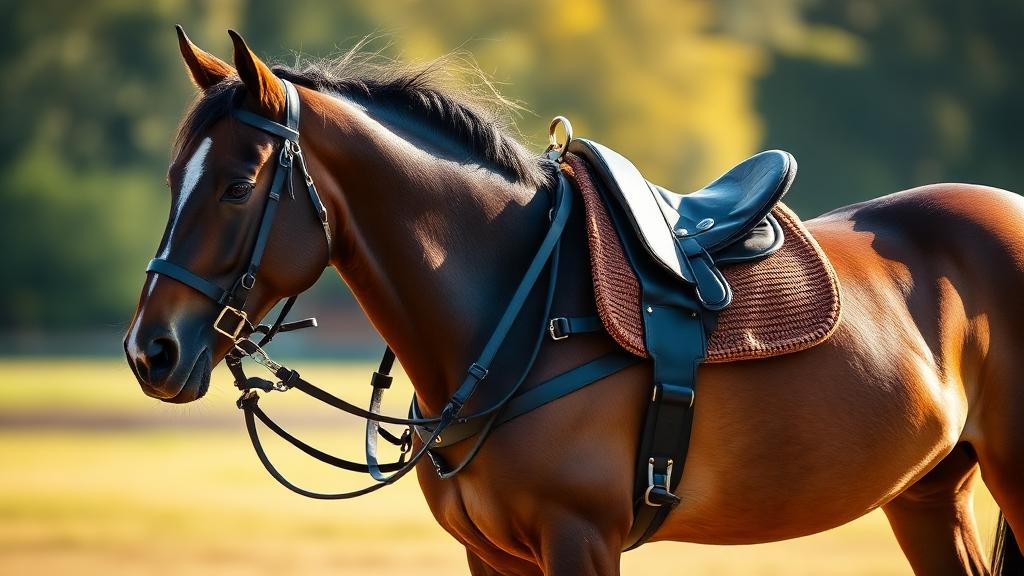
  15. Tack Changes

    If switching tack between chukkas:

  16. Have the next saddle and bridle laid out and ready
  17. Check girth tension once mounted — newly saddled horses often bloat
  18. Ensure bandages or boots are secure
  19. Verify the martingale and breastplate are correctly adjusted
  20. When NOT to Play a Horse Again

    Recognise these warning signs that a horse should not return to play:

  21. Lameness of any degree
  22. Persistent elevated heart rate (>100 BPM after 10 minutes)
  23. Refusal to eat or drink
  24. Excessive sweating or, conversely, dry coat in hot conditions (anhidrosis)
  25. Cuts or wounds from the previous chukka
  26. Behavioural signs of distress: ears pinned, tail clamping, reluctance to move
  27. The horse's welfare always takes priority over the game.

    Groom Communication

    Clear communication between player and groom is essential:

  28. Agree on a numbering/colour system so the right horse is ready at the right time
  29. Brief grooms on any horse-specific concerns before the match
  30. Empower grooms to speak up if a horse doesn't look right — they know the animals best
  31. Good between-chukka management is invisible when done well and catastrophic when neglected. Master these protocols and your horses will perform better, stay sounder, and have longer careers.
    horse care
    chukkas
    cooling

    Related Articles

    Understanding Polo Horses: What Makes a Great Polo Pony

    Understanding Polo Horses: What Makes a Great Polo Pony

    Learn about polo pony breeds, training, and what to expect when hiring horses at different levels of play.

    10 min read
    The Role of Grooms in Polo: The Unsung Heroes

    The Role of Grooms in Polo: The Unsung Heroes

    Understanding the crucial role of petiseros and grooms in polo, from horse care to match preparation and the skills they bring.

    10 min read
    Buying Your First Polo Horse

    Buying Your First Polo Horse

    A practical guide to purchasing your first polo pony, covering what to look for, where to buy, veterinary checks, and budgeting for ongoing costs.

    13 min read

    The Chukka Bulletin

    Polo guides, news & tips — weekly

    Ready to Start Playing?

    Find a polo club near you

    Find a Club