Polo Ponies: The Heart of the Game – Breeds, Training, Costs, and More
Explore the athletic horses that power polo, from breeding to retirement. Despite being called "ponies," these are full-sized horses (15-16 hands, 1,000-1,100 lbs) bred for speed, agility, and stamina—not a specific breed but often Thoroughbred crosses.
What Makes a Great Polo Pony?
Polo ponies are elite equine athletes. Here are the six qualities that separate the good from the great.
Speed & Acceleration
Ability to go from stop to gallop in seconds. The fastest ponies win the ball.
Agility & Balance
Quick turns, sudden stops, and changes of direction without losing balance.
Temperament
Brave, willing, and calm under pressure. Must handle stick swings and close contact.
Endurance
Stamina to play multiple chukkas. Good wind and recovery between periods.
Trainability
Quick learner, responds to subtle cues, develops game sense over time.
Soundness
Strong legs, good feet, no chronic lameness issues. Durability matters.
The Future of Polo Ponies
The polo pony industry is evolving rapidly. Here are the key trends shaping breeding and training in 2026.
Genetic Testing & Performance Prediction
DNA analysis now predicts athletic potential, temperament, and injury susceptibility. Top breeders use genomic profiling to match bloodlines for speed, agility, and mental resilience.
15-20% premium for genetically-tested horsesResilience Breeding Programs
Focus shifting from pure speed to durability. Breeders selecting for bone density, tendon strength, and heat tolerance. Climate adaptation becoming crucial.
Lower injury rates, longer careersSustainable Practices
Organic feed programs, regenerative grazing, and carbon-neutral breeding facilities gaining traction. Player demand for ethically-raised ponies increasing.
Growing market segmentDigital Health Monitoring
Wearable sensors tracking heart rate, gait, and stress levels in real-time. AI-powered injury prevention systems becoming standard at top facilities.
30% reduction in preventable injuriesPolo Pony Specifications
Despite being called "ponies," these are full-sized horses bred for specific athletic requirements.
Height
14.2-16 hands
Ideal: 15.1-15.3 hands
Weight
900-1,100 lbs
Ideal: 950-1,050 lbs
Peak Performance
9-12 years
Years of age
Training Duration
12-18 months
Standard program
Global Polo Pony Pricing
Current market prices by region and playing level. Prices reflect trained, competition-ready horses.
| Region | Beginner/School | Club Level | Medium Goal | High Goal | Notes |
|---|---|---|---|---|---|
| Argentina (Origin) | $8,000-$15,000 | $15,000-$35,000 | $35,000-$80,000 | $80,000-$200,000+ | Best value, direct from source |
| USA (Florida/Texas) | $12,000-$25,000 | $25,000-$50,000 | $50,000-$100,000 | $100,000-$250,000+ | Import costs add 20-30% |
| UK/Europe | $15,000-$30,000 | $30,000-$60,000 | $60,000-$120,000 | $120,000-$300,000+ | Limited local supply |
| Australia/NZ | $10,000-$20,000 | $20,000-$45,000 | $45,000-$90,000 | $90,000-$180,000+ | Growing local breeding |
| Middle East | $18,000-$35,000 | $35,000-$70,000 | $70,000-$150,000 | $150,000-$350,000+ | Premium import market |
Note: 80% of the world's polo ponies originate from Argentina. Prices above are for 2026 and subject to currency fluctuations. Import costs, quarantine, and transport add 15-30% to origin prices.
Common Polo Pony Breeds
While "polo pony" is not a breed, certain breeds and crosses dominate the sport.
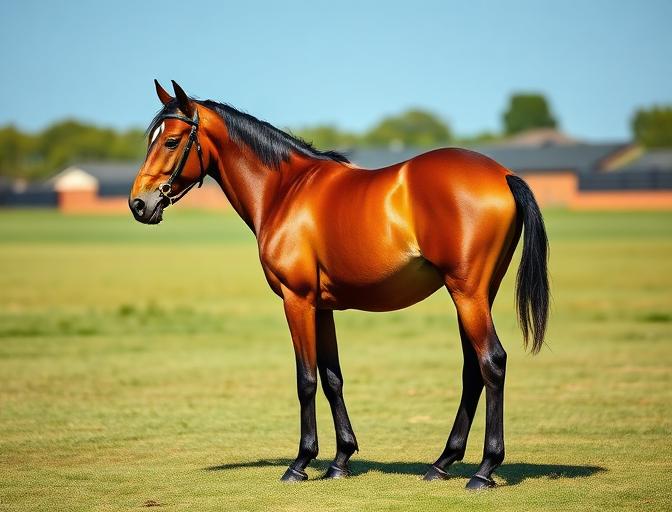
Argentine Polo Pony
Origin: Argentina
The gold standard. Bred specifically for polo over generations. Combines Thoroughbred speed with Criollo endurance and cow-sense.
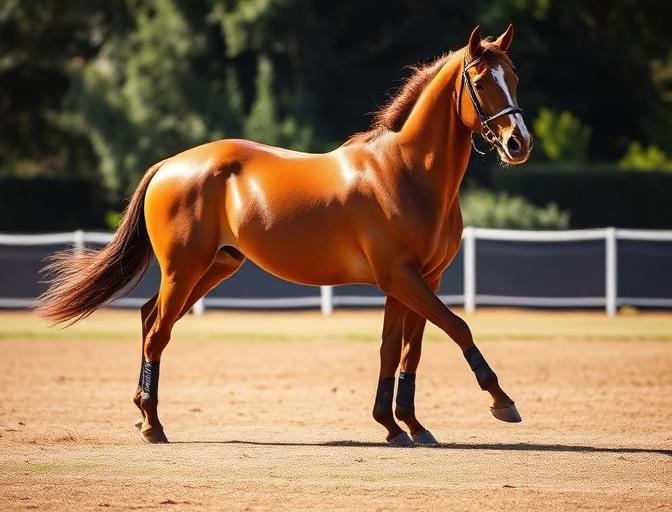
Thoroughbred
Origin: Various
Pure Thoroughbreds or TB crosses. Prized for speed and stamina. Many off-track racehorses successfully convert to polo.
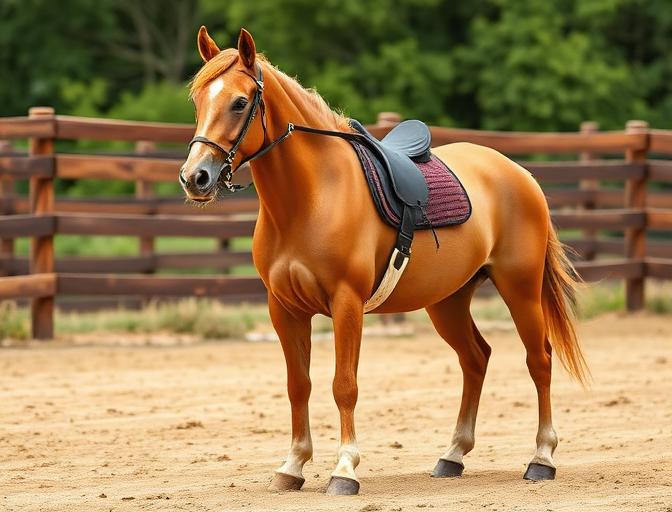
Quarter Horse Cross
Origin: USA
Popular in American polo. Quick bursts of speed and excellent stops. Often crossed with Thoroughbreds for the best of both.
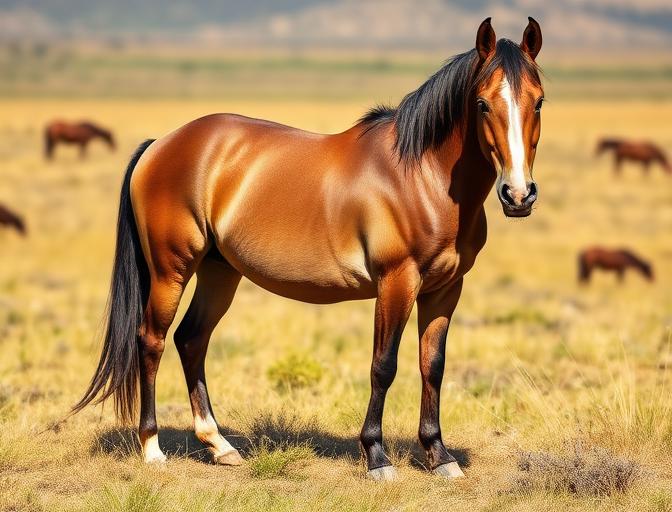
Criollo
Origin: South America
Hardy Argentine breed. While not fast enough for high-goal, they're excellent for beginners and produce great crosses.
Breed Comparison at a Glance
| Breed/Cross | Key Traits | Common In |
|---|---|---|
| Thoroughbred | Speed, stamina, competitive spirit | USA, UK, Australia |
| Thoroughbred x Criollo | Agility, endurance, cow-sense | Argentina |
| Thoroughbred x Quarter Horse | Quick stops, explosive speed, calm | USA |
| Australian Stock Horse | Versatility, hardiness, intelligence | Australia |
| Arabian | Endurance, beauty, quick learning | Middle East, India |
| Manipuri Pony | Agility, smaller size, indigenous | India |
Buying vs Leasing: What's Right for You?
One of the biggest decisions in polo. Here's an honest comparison with 2026 price estimates.
Buying
Own your polo pony outright
Advantages
- •Full control over training and care
- •Build long-term partnership
- •No ongoing lease fees
- •Can breed or sell later
- •Emotional bond with your horse
Considerations
- •High upfront cost ($10K-$100K+)
- •All vet bills and emergencies
- •Need boarding/stabling
- •Responsible for retirement care
- •Risk of injury or lameness
Leasing
Use someone else's pony
Advantages
- •Lower commitment and cost
- •Try before you buy
- •No long-term responsibility
- •Easier to switch horses
- •Great for beginners
Considerations
- •Less control over training
- •May not always be available
- •Don't own the asset
- •Ongoing monthly payments
- •Limited emotional bond
The Sport Takes Care of Its Own
Polo ponies are athletes, partners, and often beloved members of the family. The polo community takes welfare seriously — from strict veterinary oversight at tournaments to retirement programs that ensure ponies live out their days in comfort.
Tournament Veterinary Checks
All ponies examined before and during play
Rotation Requirements
Players must rotate ponies to prevent exhaustion
Retirement Programs
Many clubs and charities rehome retired polo ponies
Second Careers
Retired polo ponies excel at riding schools, eventing, and pleasure riding
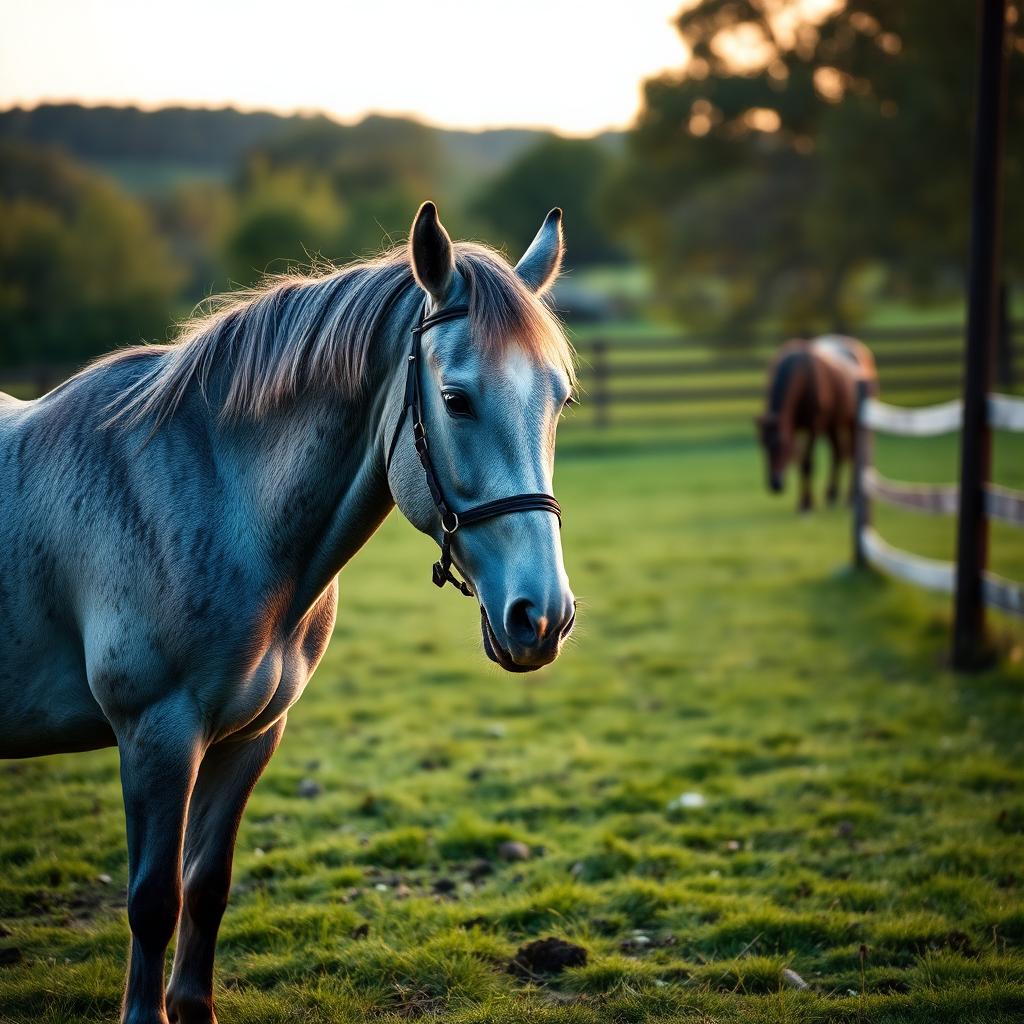
How Polo Ponies Are Trained
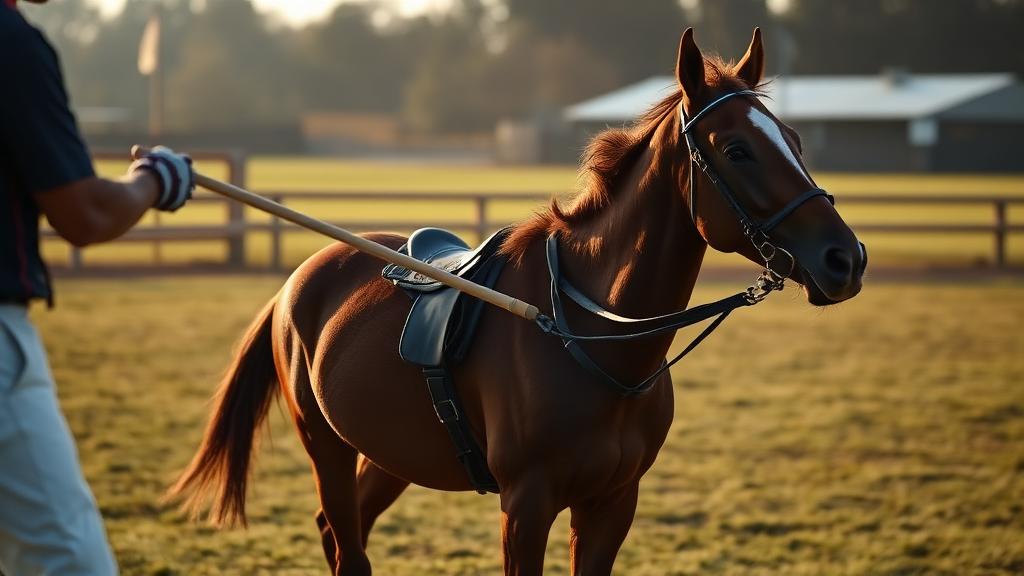
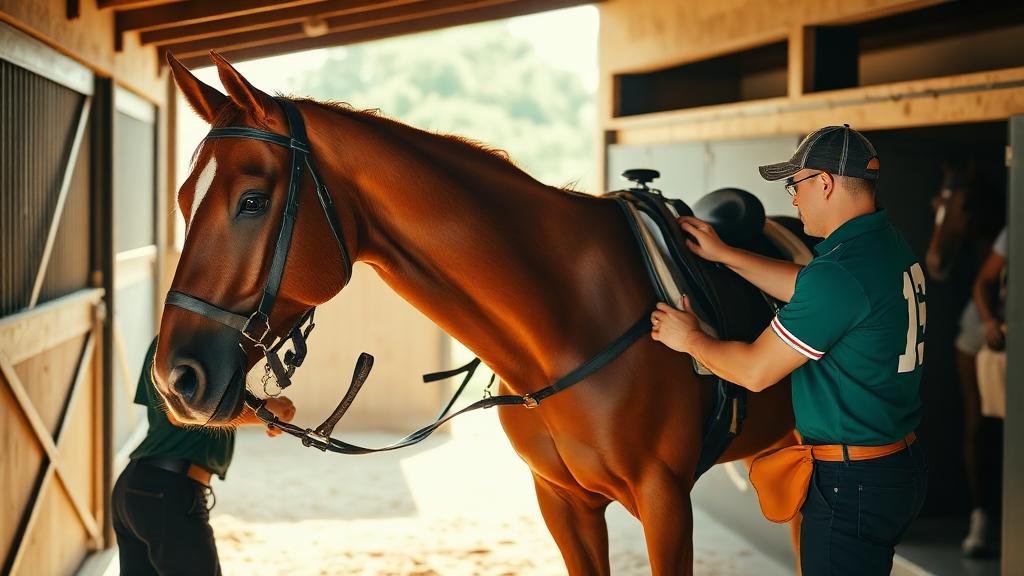
Training typically begins at 3-4 years of age and takes 6 months to 2 years before a pony is ready for competition. The process combines physical conditioning with specialized polo skills.
Endurance Conditioning
Building cardiovascular fitness and stamina for sustained galloping
Cue Response Training
Learning to respond to leg, rein, and weight cues for quick maneuvers
Ball Anticipation
Developing game sense—following the ball and positioning instinctively
Breeding Practices
Modern polo pony breeding combines tradition with cutting-edge science to produce the ideal athlete.
Selective Crossbreeding
The most successful polo ponies often combine Thoroughbred speed and stamina with the endurance and agility of other breeds. The Argentine Thoroughbred × Criollo cross remains the gold standard, producing horses with exceptional quick-twitch reflexes and cow-sense.
- Thoroughbred speed + Criollo endurance
- Quarter Horse agility + TB athleticism
2026 Trends
The polo breeding industry is evolving with new technologies and an increased focus on welfare.
- Genetic Testing: DNA analysis to predict athletic potential and avoid hereditary issues
- Welfare Focus: Emphasis on temperament and longevity over pure speed
- Global Exchange: International breeding programs sharing genetics
Where Polo Ponies Come From
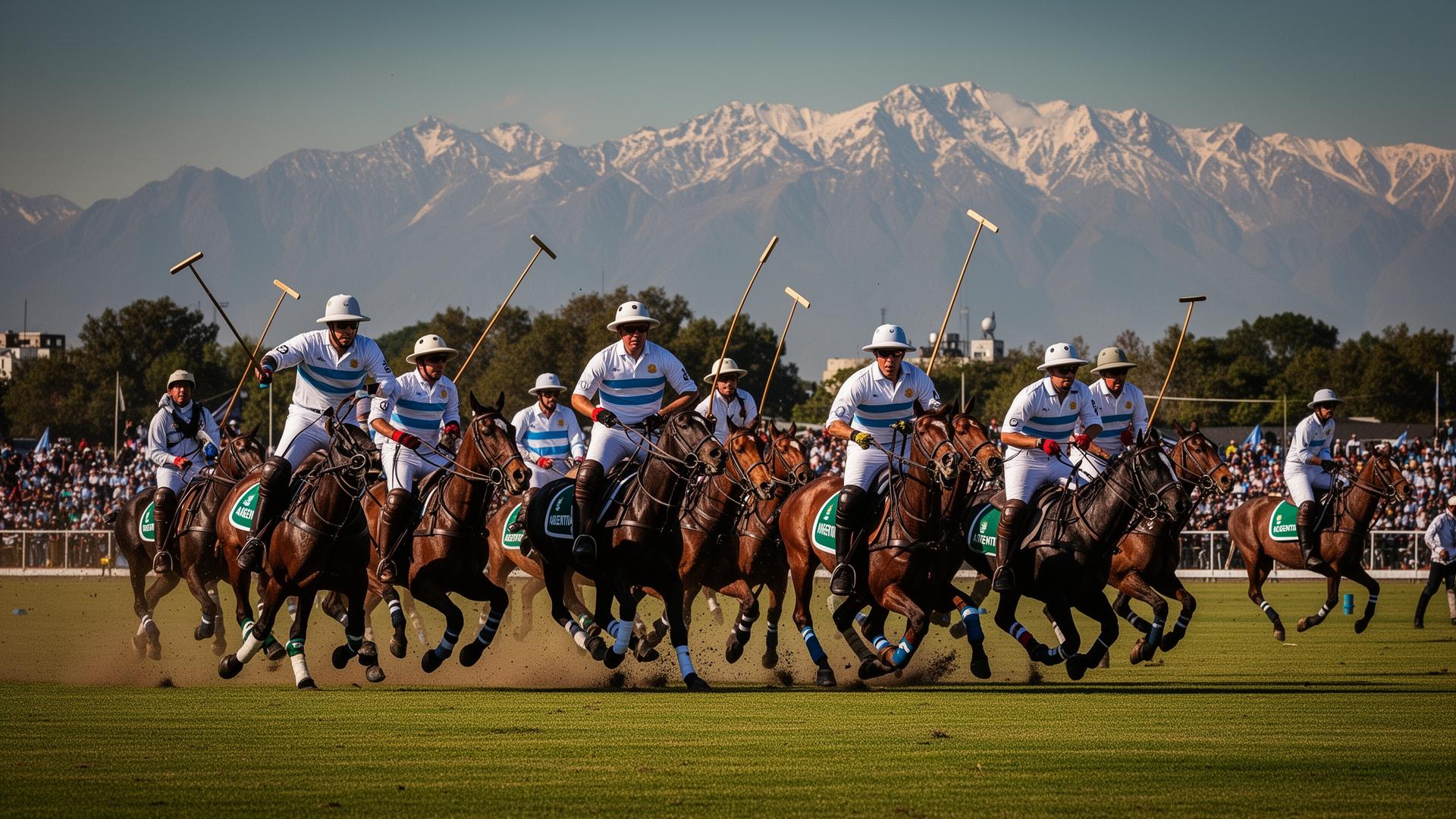
The world's best polo ponies are bred in specific regions with established programs and ideal conditions.
Argentina
The undisputed leader—produces 70%+ of world's polo ponies
Best quality, most established breeding programs
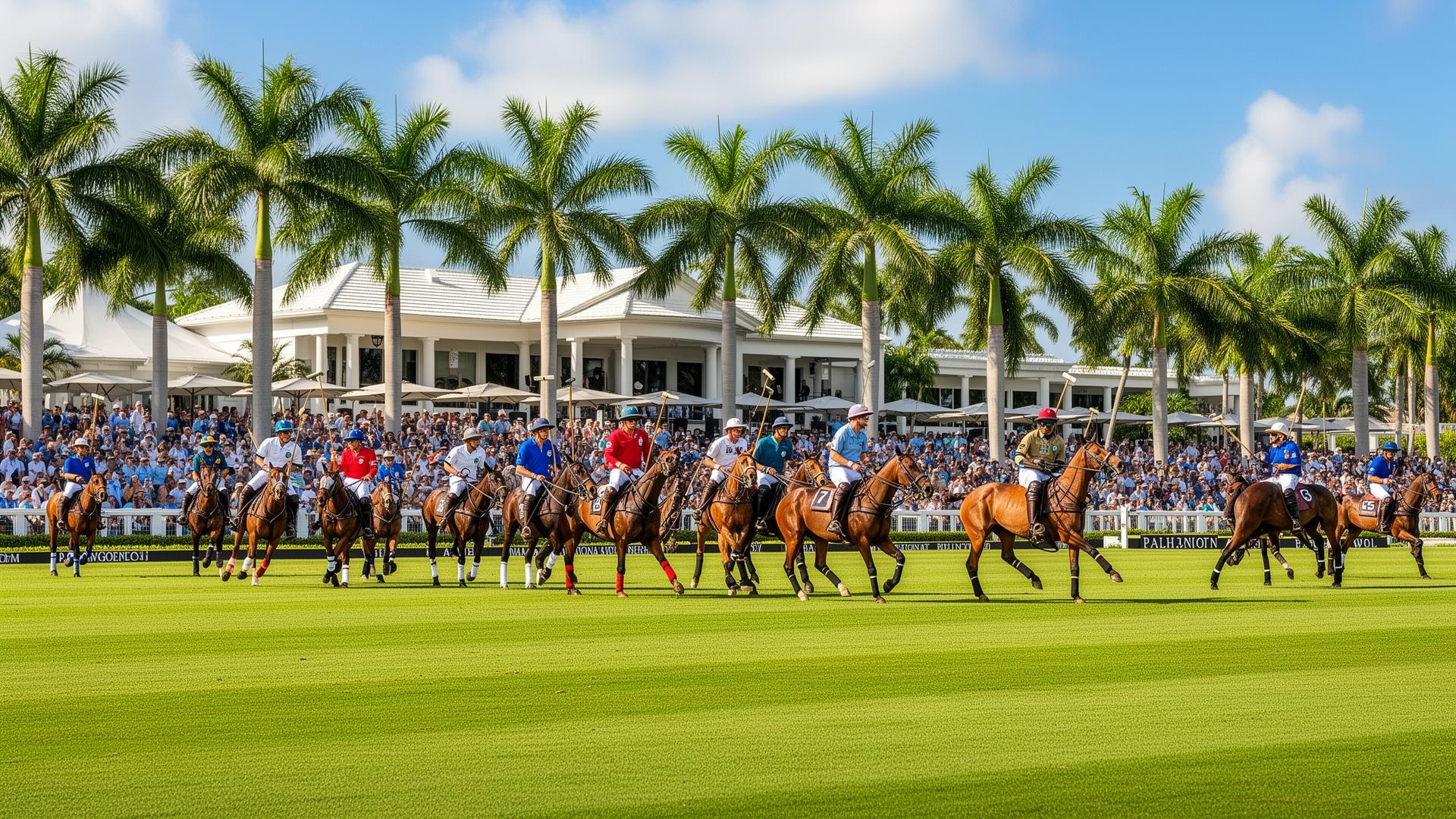
United States
Strong breeding programs, especially in Florida and Texas
TB x QH crosses popular
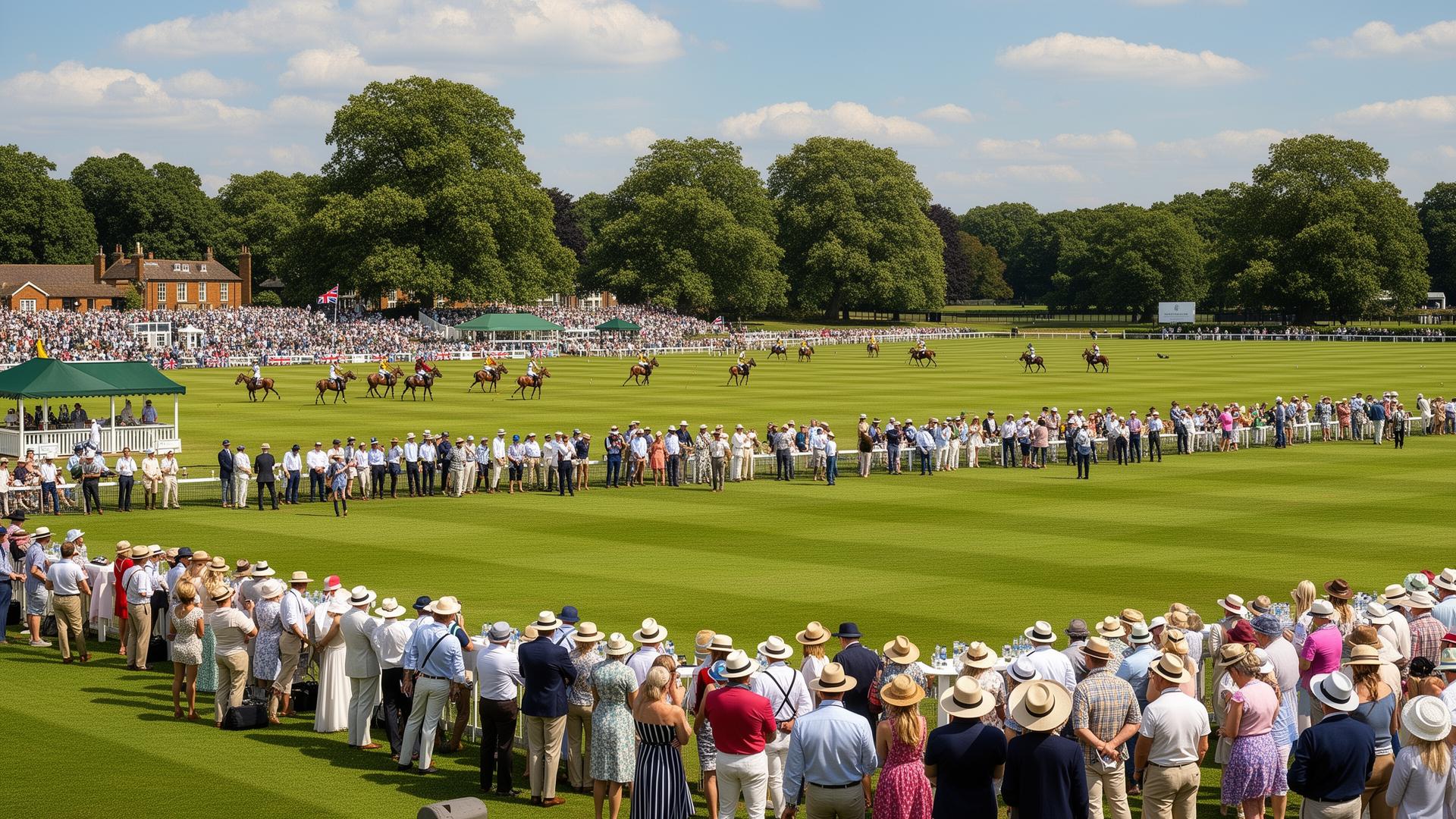
United Kingdom
Historic polo tradition, quality breeders
Often imports from Argentina
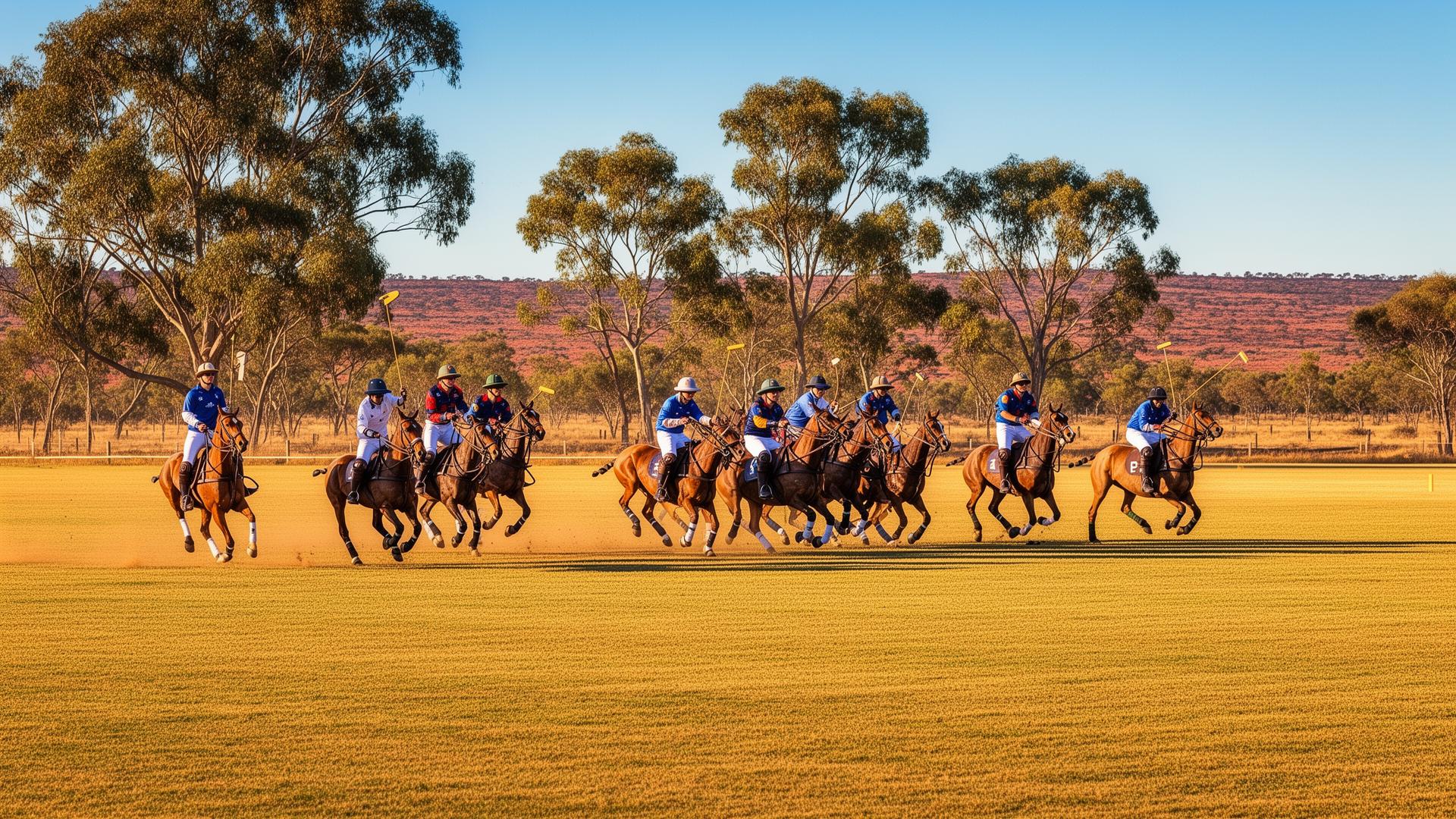
Australia
Growing industry with Australian Stock Horse crosses
Ideal climate for training
India
Historic polo nation with indigenous Manipuri ponies
Long tradition of the sport
Career Ages: From Start to Retirement
Polo ponies have long, fulfilling careers with proper care and welfare emphasis.
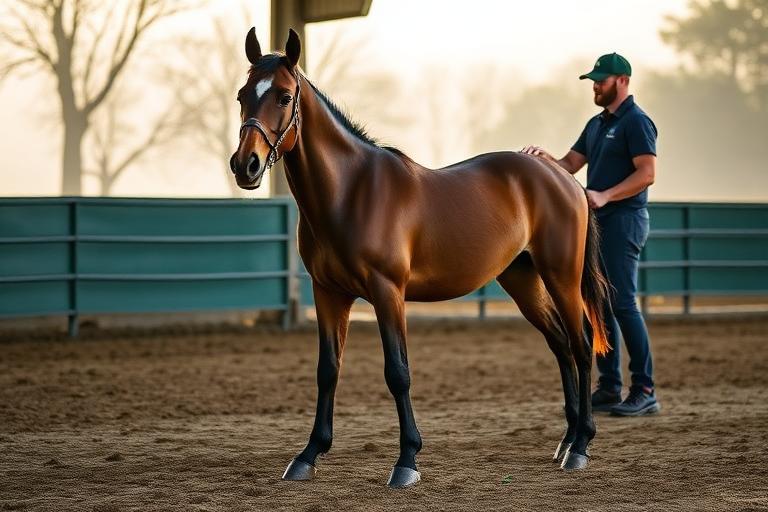
Training Begins
3-4 years
Basic groundwork, riding, introduction to the ball and mallet
Competition Starts
5-6 years
Low-goal matches, building game sense and confidence
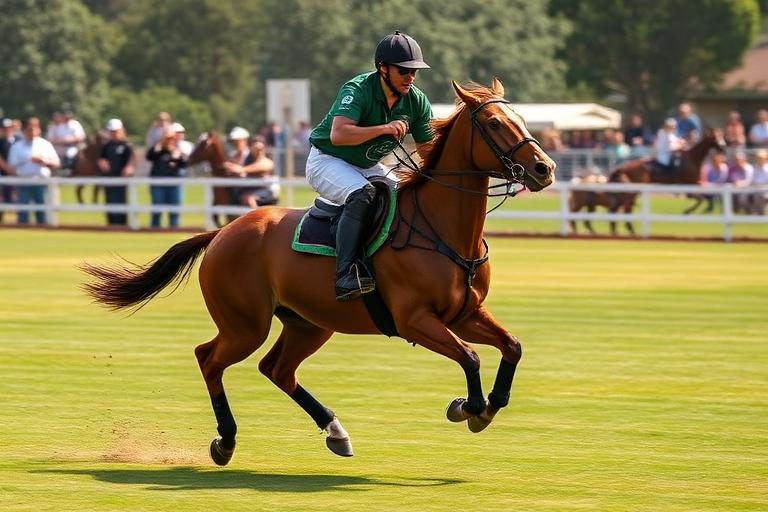
Peak Performance
9-12 years
Fully trained, experienced, at their athletic best
High-Goal Retirement
12-14 years
Transition to lower-goal or training roles
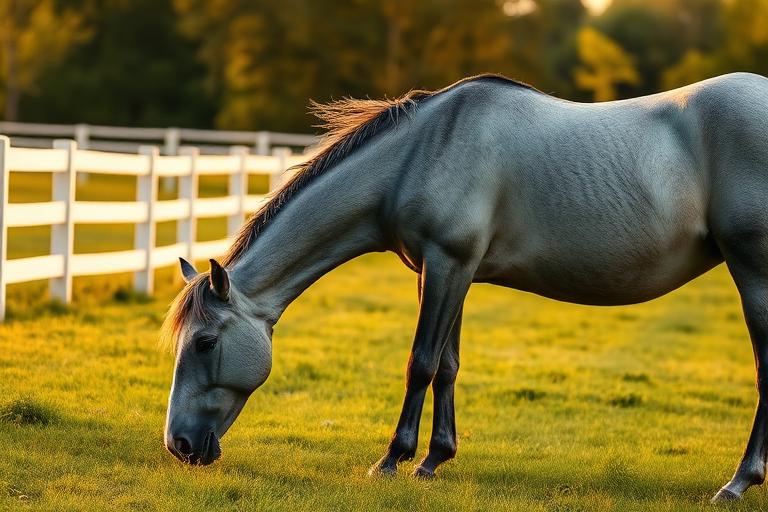
Full Retirement
16-20+ years
Second careers: pleasure riding, therapy, breeding
Connect With Trusted Breeders Worldwide
Interested in purchasing a polo pony? We connect you with trusted breeders across Argentina, the USA, UK, Australia, and beyond. We can help arrange worldwide shipment and ensure you find the right horse for your skill level and goals.
Vetted Breeders
We only work with reputable, established breeding programs
Worldwide Shipping
Assistance with international transport and quarantine requirements
Expert Matching
We match ponies to your experience level and playing goals
Send Inquiry
Frequently Asked Questions About Polo Ponies
Stay in the loop
Join the Chukka Bulletin for weekly polo guides, club news, tournament updates, and community stories.
Not Ready to Buy Yet?
Start by taking lessons and getting to know the sport. Most clubs offer horse hire, so you can experience polo without the commitment of ownership.
Last updated: May 2026