From divot stomping to post-match protocol, discover the traditions and unspoken rules that define polo culture worldwide.
Polo Etiquette: The Unwritten Rules
Every sport has its formal rules, but polo's culture is shaped equally by its unwritten ones. These traditions have evolved over centuries and vary subtly between countries, but their core purpose is universal: respect for the horses, fellow players, officials, and the game itself. New to polo? The polo glossary explains terms you'll hear on and off the field.
On the Field
Before Play
**Arrive early**: Be mounted and ready at least 10 minutes before throw-in. Making others wait is considered poor form**Check your tack**: Loose equipment is a safety hazard. Inspect girths, bandages, and martingales before every chukka**Greet umpires and opponents**: A brief handshake or nod shows respect. Polo is a gentleman's (and gentlewoman's) gameDuring Play
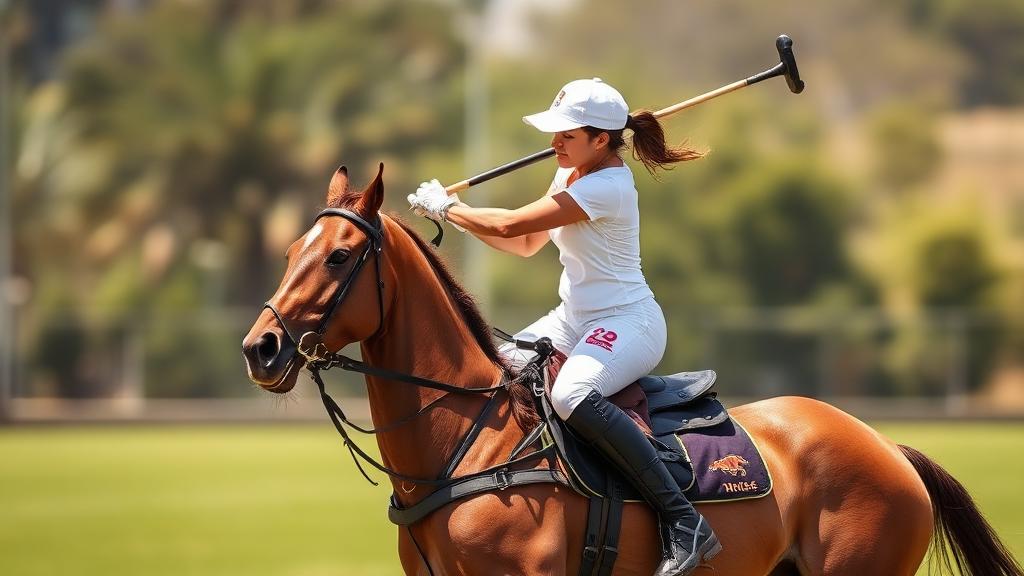
**Never cross the line of the ball** unless you have right of way. This isn't just etiquette — it's the fundamental safety rule**Call "leave it"** clearly if you want a teammate to let the ball run through to you**Acknowledge fouls**: If you know you fouled, a raised mallet or nod to the umpire is respected. Arguing calls is frowned upon at every level**Control your temper**: Aggressive riding beyond the rules, verbal abuse, or mallet-throwing will get you remembered for all the wrong reasons**Respect the horses**: Never over-whip, never yank the reins in frustration, and never blame the horse publicly. The polo community watches how you treat your animalsAfter Play
**Shake hands** with all players, umpires, and thank the grooms**Cool your horses properly** — riding straight to the trailer is unacceptable**Join the post-match gathering**: Even briefly. Socialising after play is integral to polo culture[Divot](/glossary/divot) Stomping
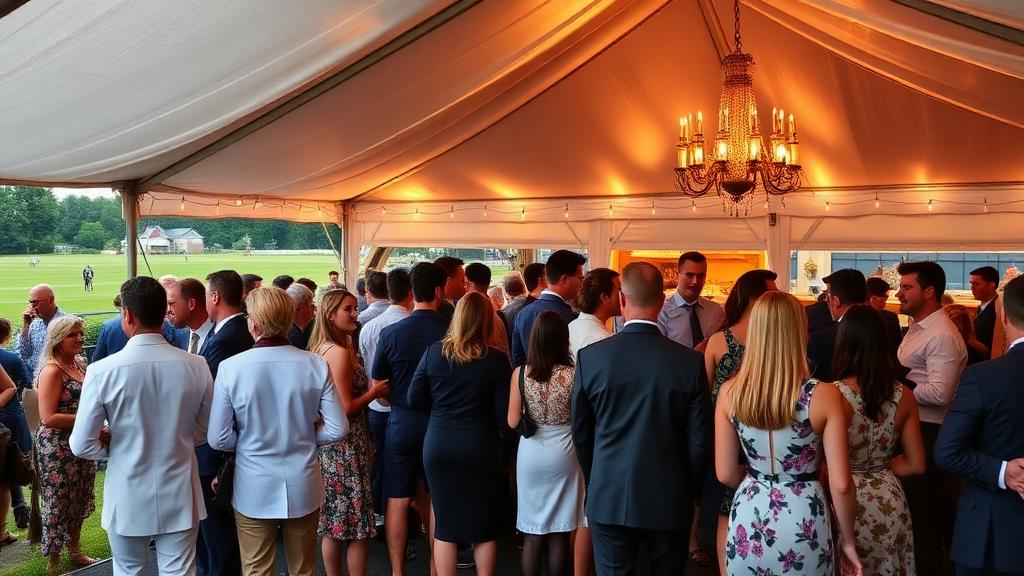
The half-time tradition of spectators walking onto the field to stamp down divots is one of polo's most iconic customs:
It's functional: replaced turf protects horse legs in later chukkasIt's social: a chance to mingle, enjoy champagne, and get close to the action**Dress appropriately**: Smart casual is the norm at most clubs. Stiletto heels are a cliché for a reason — they damage the turfSpectator Etiquette
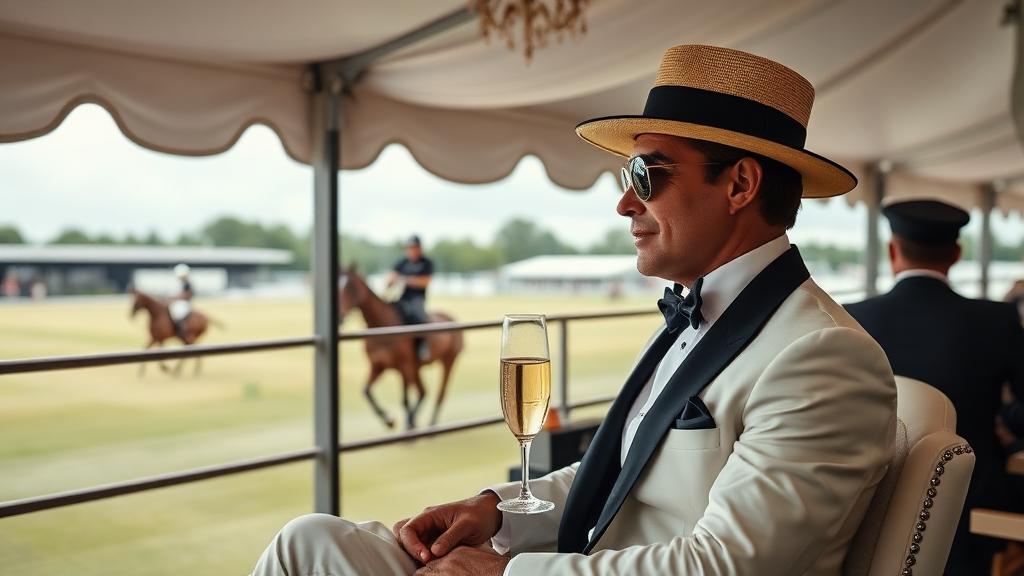
Stay behind the boards and designated spectator areasDon't walk behind horses — even tied onesApplaud good play from both sidesDon't use flash photography during playKeep dogs on leads at all timesRespect the club's alcohol and parking policiesSocial Customs
The After-Party
Post-match drinks or dinner are a central part of polo culture. These gatherings build relationships, resolve on-field tensions, and celebrate the sport.
**Buying drinks**: The winning team traditionally buys the first round**Toast**: In some clubs, a toast to the umpires or the host is customary**Best Playing Pony**: Acknowledging the best horse of the match is a cherished tradition. The horse is paraded and its groom recognisedTipping Grooms
Grooms are the unsung heroes of polo. Tipping is expected in many polo cultures:
**Argentina**: Customary and meaningful — grooms work long hours for modest wages**UK/USA**: Tips for borrowed grooms are standard; some clubs pool tips**Amount**: Varies by level of play, but generosity is appreciated and rememberedUniversal Principles
Across all polo cultures, these principles hold:
1. **Horse welfare comes first** — always
2. **Respect your opponents** — they make the game possible
3. **Be humble in victory, gracious in defeat**
4. **Leave the field better than you found it**
5. **Support your club community** — volunteer, mentor newcomers, attend events
Polo etiquette isn't about being stuffy or exclusive. It's about maintaining the traditions that make polo unique and ensuring everyone — players, horses, and spectators — has a positive experience. For more on the social customs and polo dress code, see our dedicated spectator guide.