Polo Injuries: Prevention, Treatment, and Recovery
From mallet strikes to falls, learn the most common polo injuries and evidence-based strategies to prevent, treat, and recover from them.
Polo Injuries: Prevention, Treatment, and Recovery
Polo is one of the fastest team sports on earth. Horses gallop at 30+ mph, hard balls fly unpredictably, and players swing weighted mallets in close quarters. Understanding injury risks — and how to mitigate them — is essential for every player. See the polo equipment guide for the safety gear that helps prevent many of these injuries.
Most Common Injuries
1. [Mallet](/glossary/mallet) Strikes and Ball Impacts
The most frequent polo injuries come from being struck by a mallet or ball. Common areas: hands, forearms, knees, and face.
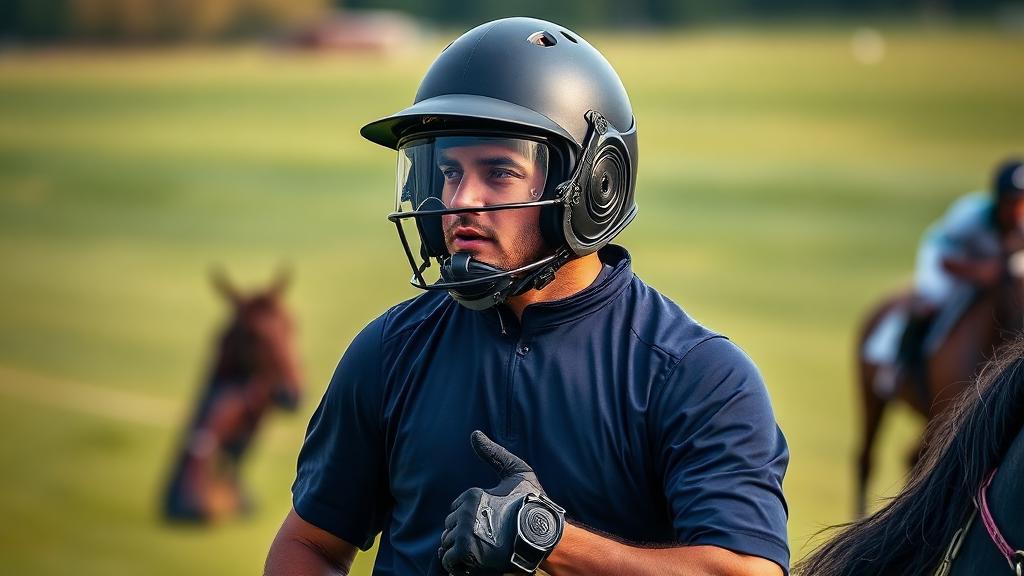
**Prevention**: Wear approved helmets with face guards (especially for arena polo), knee guards, and gloves. Maintain spatial awareness and call out plays.
2. Falls
Falls happen when horses stumble, during ride-offs, or when players lose balance swinging. Shoulder dislocations, collarbone fractures, and concussions are the most serious risks.
**Prevention**: Develop a strong, balanced seat through riding practice. Learn how to fall — tuck and roll rather than bracing with outstretched arms.
3. Repetitive Strain
The polo swing puts enormous rotational stress on the shoulder, elbow, and wrist. Tendinitis, golfer's elbow, and rotator cuff issues are common in regular players.
**Prevention**: Strength training (especially rotator cuff exercises), proper warm-up, and limiting practice volume when fatigued.
4. Lower Back Pain
Extended periods in the saddle combined with twisting generates significant spinal load.
**Prevention**: Core strengthening, hip mobility work, and regular stretching. Consider a body protector with spinal support.
First Aid Essentials
Every polo field should have:
Concussion Protocol
Polo has adopted increasingly strict concussion protocols:
1. **Remove from play** immediately if concussion is suspected
2. **Assess** using SCAT6 or equivalent
3. **Rest** for a minimum of 7 days symptom-free before return
4. **Graduated return**: light exercise → sport-specific drills → non-contact practice → full play
5. **Medical clearance** required before competing again
**Never** return to play on the same day as a suspected concussion.
Recovery Best Practices
Building Resilience
Long-term injury prevention is about building a resilient body:
The goal is to play polo for decades, not just seasons. Invest in prevention now and your future self will thank you. For supporting your resilience with proper conditioning, read our polo fitness guide, and consider polo insurance to cover medical costs if accidents do occur.