Youth Polo Programs: Getting Kids Started in the Sport
Everything parents need to know about introducing children to polo, from age-appropriate programs to safety considerations.
Introducing Children to Polo
Polo can be a transformative experience for young people, teaching responsibility, sportsmanship, and horsemanship while building confidence and physical fitness. This guide helps parents navigate the world of youth polo. Use polo near me to find youth programs in your area.
At What Age Can Children Start?
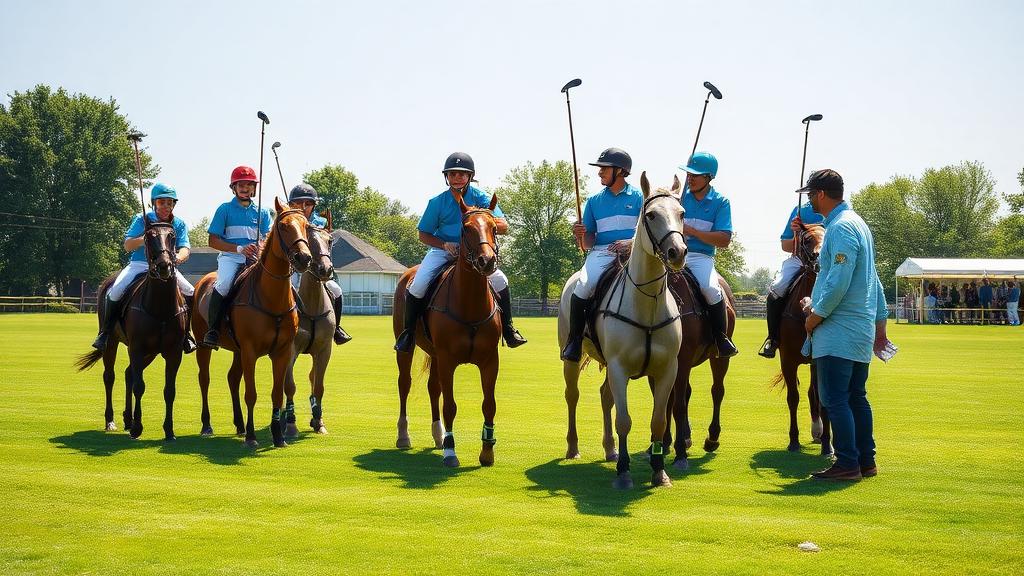
Most polo clubs offer programs for different age groups:
**Ages 6-8**: Foundation programs focusing on basic horsemanship, safety, and introduction to the mallet. Children typically ride gentle ponies and hit stationary balls.
**Ages 9-12**: Structured polo lessons begin. Children learn proper swing technique, basic rules, and start participating in slow practice chukkas.
**Ages 13-16**: More competitive play becomes possible. Young players can develop toward tournament participation and begin establishing handicaps.
**Ages 17+**: Adult programs and competitive pathways open up. Many countries have under-21 and under-25 tournaments.
What to Look for in a Youth Program
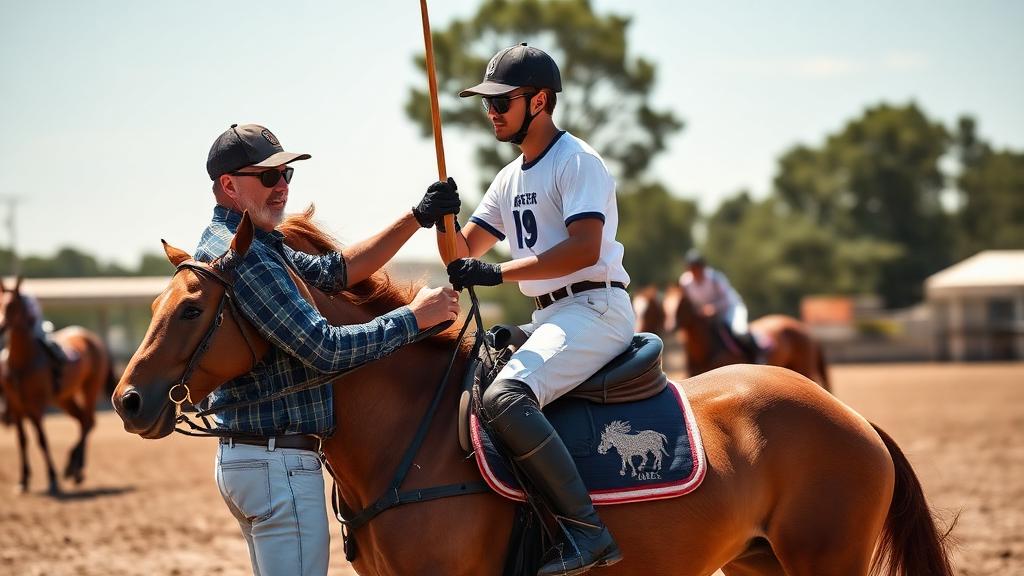
**Qualified Instructors**: Look for coaches experienced specifically with young players. Good youth coaches understand developmental stages and keep lessons engaging.
**Appropriate Horses**: Youth programs should use calm, well-trained ponies suitable for young riders. Safety is paramount.
**Structured Progression**: The best programs have clear pathways from beginner to advanced, with measurable goals at each stage.
**Fun and Engagement**: Children learn best when they're enjoying themselves. Avoid programs that are overly competitive too early.
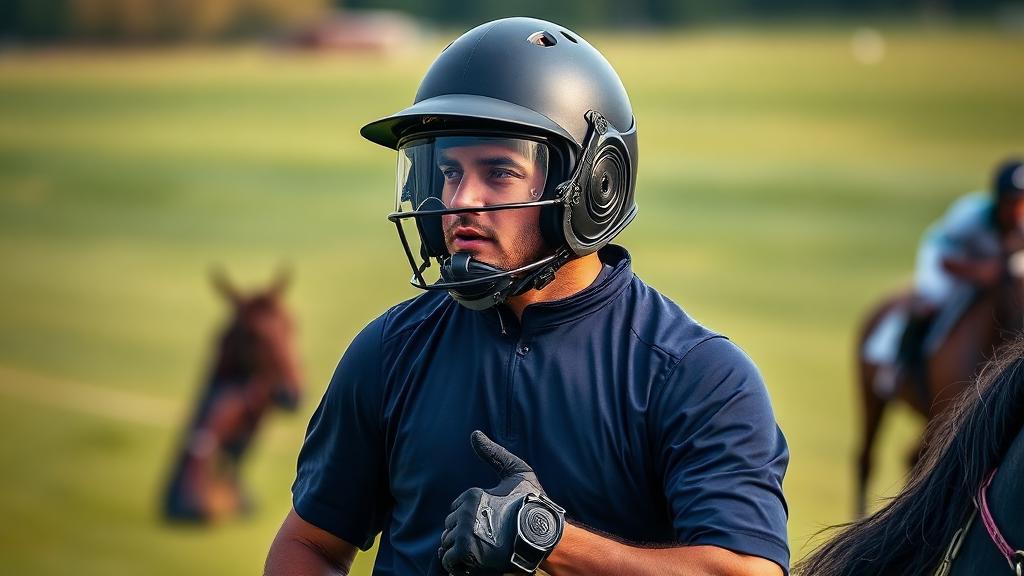
**Safety Focus**: Proper equipment, careful supervision, and appropriate activities for each age group.
The Benefits of Youth Polo
**Physical Development**:
**Mental Development**:
**Social Development**:
**Life Skills**:
Equipment for Young Players
**Essential Gear**:
**Club-Provided**: Most youth programs provide mallets (shorter and lighter for children) and horses.
**Clothing**: Comfortable, well-fitted clothing that allows movement. Avoid loose fabric that could catch.
Cost Considerations
Youth polo is an investment, but many clubs offer affordable pathways:
**Typical Costs**:
**Ways to Reduce Costs**:
Competitive Pathways
For children who show aptitude and interest, competitive opportunities include:
**Pony Club Polo**: An excellent introduction to competitive play in a supportive environment.
**Interscholastic Polo**: Schools with polo programs compete regionally and nationally.
**Youth Tournaments**: Many polo associations organize age-group tournaments.
**International Opportunities**: Talented young players may have opportunities to represent their country.
Supporting Your Young Polo Player
**Parent Involvement**:
**Encouragement Over Pressure**: The goal is long-term enjoyment. Children who feel pressured often burn out.
**Balance**: Ensure polo complements rather than overwhelms academic and social commitments.
Polo can be a wonderful sport for young people, providing unique opportunities for physical development, character building, and lifelong friendships. Start with a quality program, maintain appropriate expectations, and watch your child flourish. Learn more at polo schools and see the polo costs guide to plan for the financial commitment.